April 6, 2026
Deciding whether to invest in a new HVAC system is one of the most significant home improvement decisions you'll face as a property owner. Your heating and cooling system affects your daily comfort, energy bills, indoor air quality, and overall property value in ways that few other home systems can match. Whether your current system is failing, inefficient, or simply outdated, understanding when and why to pursue a new installation helps you make an informed choice that serves your household for years to come. The investment in a quality HVAC system is substantial, but the benefits of improved comfort, lower energy costs, and reliable performance often justify the expense. Knowing what factors to consider and what to expect from the installation process empowers you to move forward with confidence in this important decision.
Signs Your Current System Needs Replacement
Several clear indicators suggest that repair is no longer the best option and that a complete HVAC install makes more financial sense than continuing to patch an aging system. If your system is more than 15 years old, requires frequent repairs, or struggles to maintain comfortable temperatures throughout your home, replacement should be seriously considered. Rising energy bills despite consistent usage patterns indicate declining efficiency that will only worsen as components continue to deteriorate. Unusual noises, persistent odors, excessive dust, or humidity problems that repairs haven't resolved all point to systemic issues that a new installation would eliminate while providing improved performance and reliability.
Modern HVAC systems offer dramatically improved energy efficiency compared to units manufactured just a decade ago, translating to substantial savings on monthly utility bills. Today's high-efficiency systems can reduce heating and cooling costs by 20 to 40 percent compared to older equipment, with savings accumulating year after year. While the upfront cost of an HVAC install represents a significant investment, the ongoing energy savings often recover a substantial portion of that expense over the system's lifespan. Enhanced efficiency also reduces your home's environmental impact by consuming less energy and producing fewer greenhouse gas emissions, aligning with growing concerns about sustainability and responsible energy consumption.
Regional Climate Considerations
According to WorkYard, the Midwest and South regions lead in AC usage, with rates at 92% and 93%, while the West has the lowest at 73%, especially along the Pacific Coast. Your geographic location and local climate patterns significantly influence which HVAC features and capacities make sense for your home and how quickly you'll realize returns on your investment. Homes in regions with extreme temperatures require robust heating and cooling capabilities, while moderate climates may allow for smaller, less expensive systems. Understanding your area's typical weather patterns, seasonal temperature ranges, and humidity levels helps you select equipment appropriately sized and configured for optimal performance in your specific environment.
New HVAC systems incorporate advanced filtration and air quality features that older units simply cannot match, creating healthier indoor environments for your family. Modern installations can include HEPA filters, UV light purifiers, humidity controls, and ventilation systems that remove allergens, pollutants, and contaminants from your indoor air. For households with members who suffer from allergies, asthma, or other respiratory conditions, these air quality improvements can significantly enhance comfort and health. An HVAC install provides the opportunity to integrate these advanced air quality technologies into your home's climate control system, delivering benefits that extend far beyond simple temperature regulation.
Smart Technology and Programmable Controls
Contemporary HVAC systems offer sophisticated controls and smart home integration that older systems lack, providing unprecedented convenience and additional energy savings. Programmable and smart thermostats learn your schedule, adjust temperatures automatically, and can be controlled remotely from your smartphone or tablet. Zoning systems allow different areas of your home to be heated or cooled to different temperatures, eliminating the waste of conditioning unused spaces. These technological advances make modern systems far more convenient to operate while optimizing energy consumption based on actual occupancy and usage patterns rather than maintaining constant temperatures throughout your home regardless of need.
Proper sizing is absolutely critical to HVAC performance, efficiency, and longevity, making professional load calculations an essential part of any HVAC install project. Systems that are too large cycle on and off frequently, wasting energy, creating temperature swings, and wearing out components prematurely. Undersized systems run constantly, struggle to maintain comfort, consume excessive energy, and fail earlier than properly sized equipment. Professional contractors perform detailed load calculations considering your home's size, insulation, windows, orientation, and other factors that affect heating and cooling requirements. This scientific approach to sizing ensures your new system delivers optimal performance and efficiency rather than perpetuating the problems that plague improperly sized installations.
Installation Quality and Contractor Selection
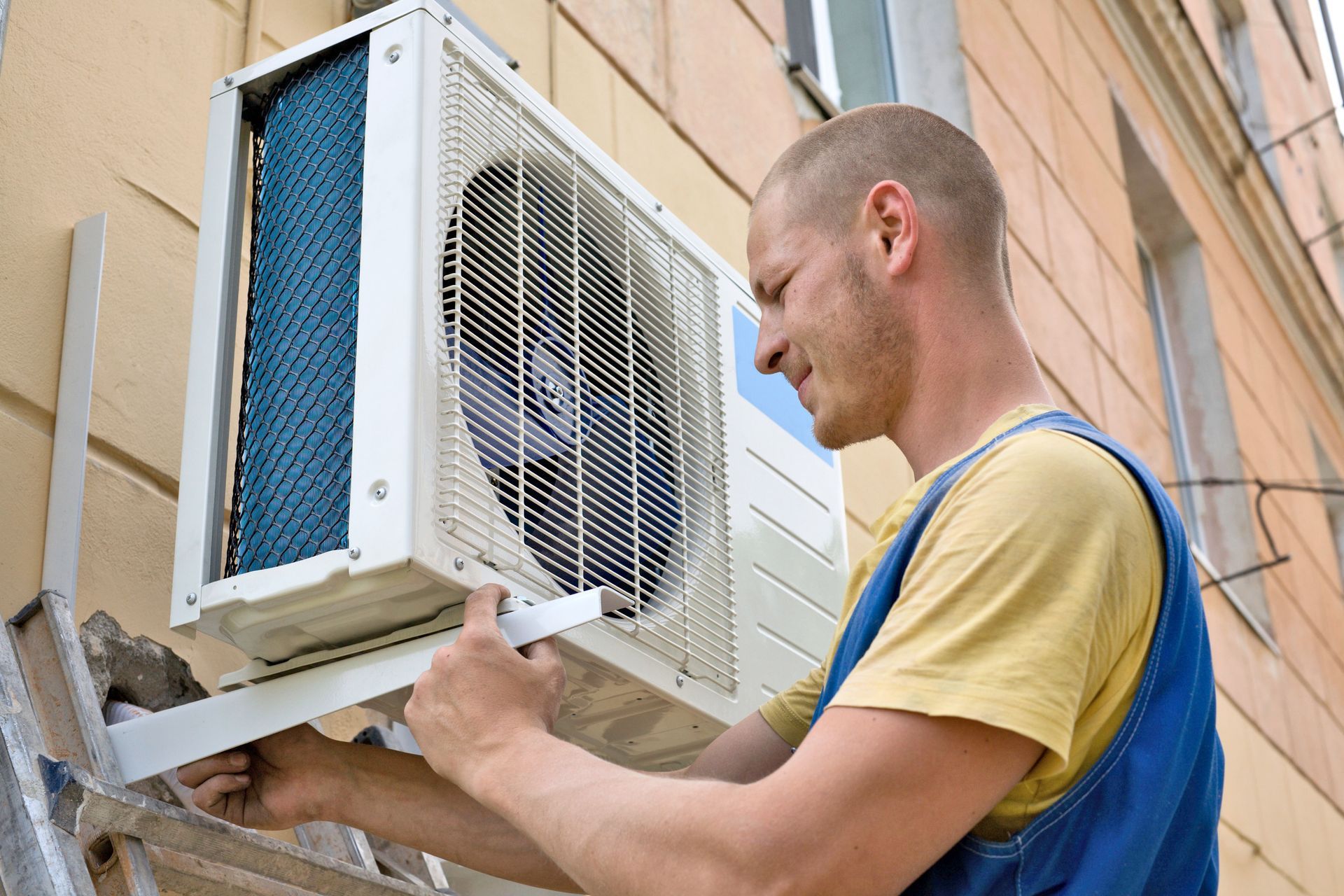
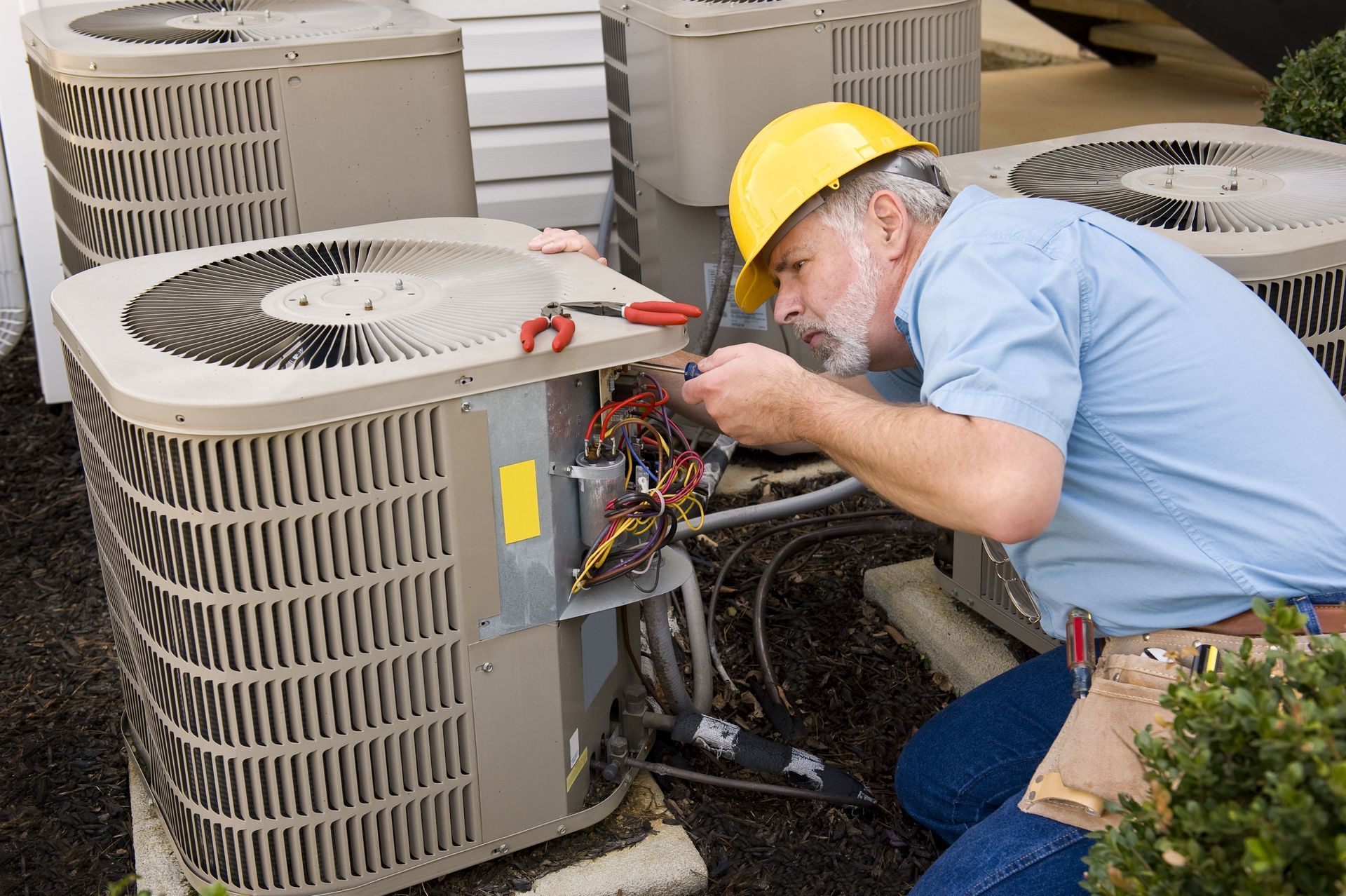
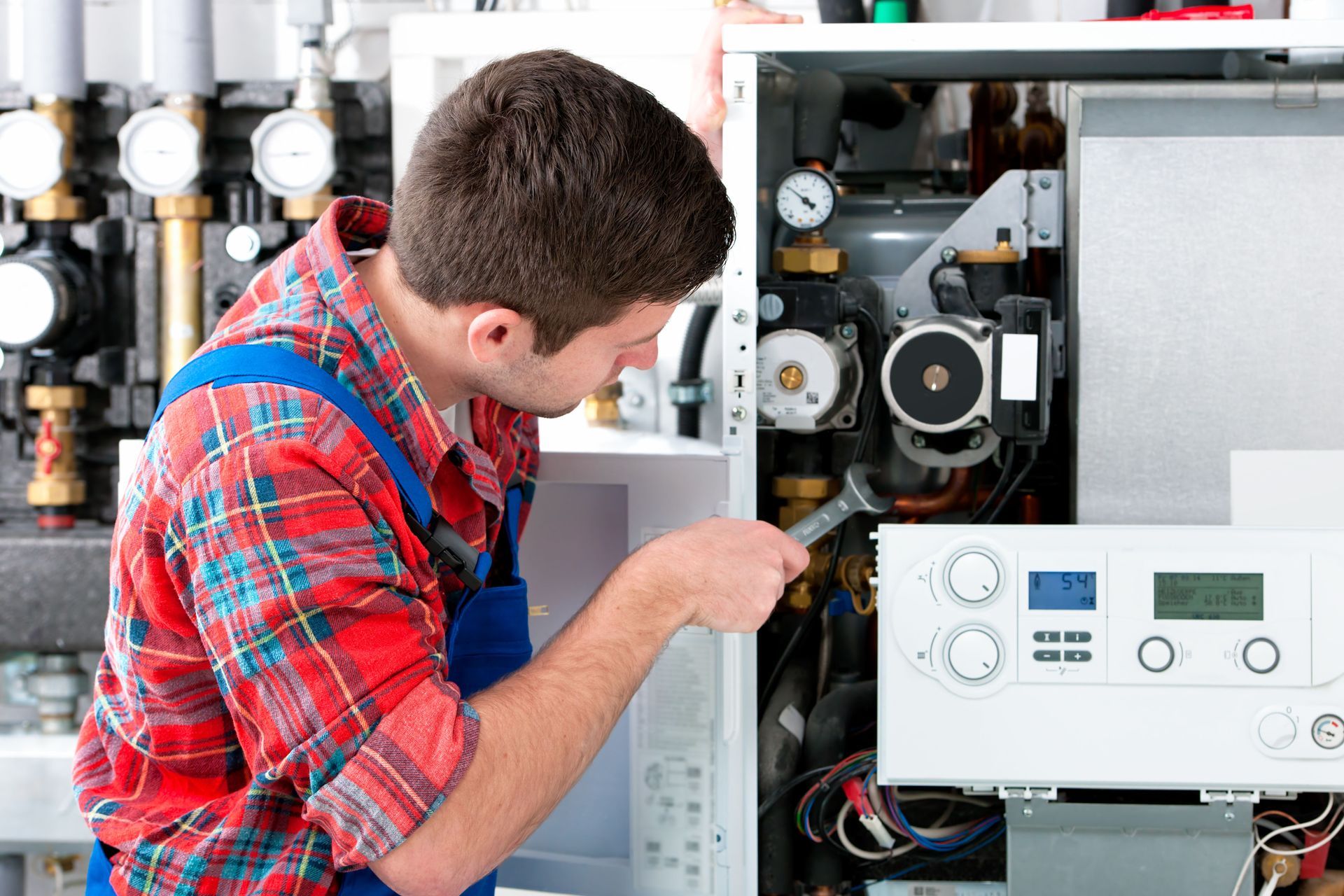
The quality of installation matters just as much as the equipment itself, as even the best HVAC system will underperform if installed incorrectly. Choosing a qualified, licensed, and experienced contractor ensures proper sizing, correct installation of all components, appropriate ductwork modifications, and thorough testing before the job is considered complete. Reputable contractors provide detailed estimates, explain equipment options clearly, obtain necessary permits, and stand behind their work with solid warranties and guarantees. An HVAC install represents too significant an investment to entrust to unlicensed or inexperienced installers who may cut corners, skip critical steps, or use substandard practices that compromise system performance and longevity.
Many homes have ductwork issues that compromise HVAC performance, regardless of how good the heating and cooling equipment might be. Leaky ducts waste conditioned air, reduce efficiency, create comfort problems, and force your system to work harder than necessary to maintain desired temperatures. When planning an HVAC install, professional contractors should inspect existing ductwork for leaks, inadequate insulation, improper sizing, or design flaws that need correction. Addressing ductwork problems during system replacement ensures that your new equipment operates at peak efficiency and delivers conditioned air effectively to every room in your home, rather than losing energy through leaks and poorly designed distribution systems.
Impact on Home Value and Market Appeal
A new, high-efficiency HVAC system enhances your home's market value and appeal to potential buyers who recognize the importance of reliable climate control and low operating costs. Home inspectors specifically evaluate HVAC systems, and a new installation eliminates concerns that might otherwise reduce offers or complicate sales negotiations. Buyers appreciate not having to budget for system replacement immediately after purchase and value the warranty protection that transfers with newer equipment. Whether you're planning to sell soon or years in the future, an HVAC install protects and potentially increases your property value while ensuring you enjoy superior comfort and efficiency for as long as you remain in the home.
The decision to invest in a new HVAC system involves careful consideration of your current equipment's condition, your home's comfort needs, long-term energy costs, and the value of improved air quality and reliability. While the upfront expense is significant, the combination of energy savings, improved comfort, enhanced air quality, and reduced repair costs often makes replacement the smarter financial choice compared to continuing with an aging, inefficient system. Working with qualified professionals who understand proper sizing, quality installation practices, and system optimization ensures your investment delivers maximum value and performance. Whether you need Air Conditioning, Heating, Refrigeration, Plumbing, Ice Machines, Coolers And Freezers, Water Piping, or Gas Piping services, Mountain City Service provides expert guidance and professional installation with Emergency Service Available, Military & Senior Discounts, and 24/7 Fast Response to ensure your comfort needs are met. For more information, contact us today!