November 10, 2026
Improving home heating and cooling efficiency starts with understanding how equipment, the building envelope, and household routines work together. Even modern equipment can consume excess energy when conditioned air escapes, airflow is restricted, or temperature settings do not reflect occupancy. A residential HVAC system also responds to seasonal weather, humidity, insulation quality, and the home’s layout. Viewing efficiency as a whole-house concern helps homeowners identify improvements that support comfort and manage energy use.
Energy bills offer useful clues, but they are not the only measure of performance. Uneven temperatures, frequent cycling, unusual sounds, and persistently uncomfortable rooms may indicate an equipment or airflow issue. A qualified technician can determine whether the cause involves equipment, ductwork, thermostat controls, or heat loss. Addressing the underlying issue is more effective than making isolated adjustments without identifying the problem.
Scheduling Professional Maintenance
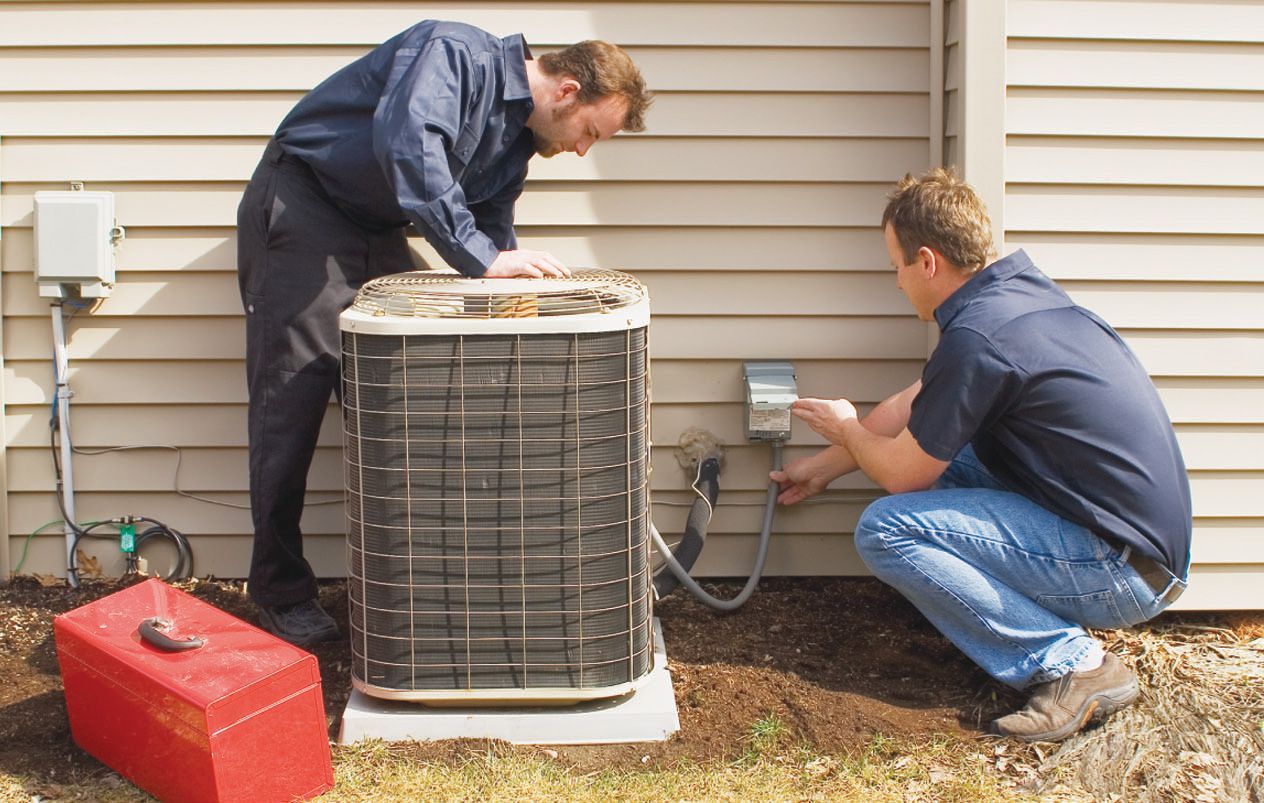
Professional maintenance is a direct way to support consistent system performance. During a visit, a technician can inspect components, check electrical connections and controls, evaluate refrigerant levels where applicable, and look for wear that affects operation. Coils, blower components, and condensate drains may need attention so equipment can transfer heat and move air effectively. These checks can reveal concerns before they cause breakdowns during extreme weather.
Annual tune-ups are useful before the main heating and cooling seasons. A spring appointment prepares cooling equipment for warmer weather, while a fall inspection checks heating components before colder conditions. A residential HVAC system receiving appropriate maintenance is better positioned to operate according to manufacturer specifications. Although maintenance cannot guarantee lower bills, it helps identify avoidable inefficiencies and supports reliable operation.
Improving Airflow and Filter Performance
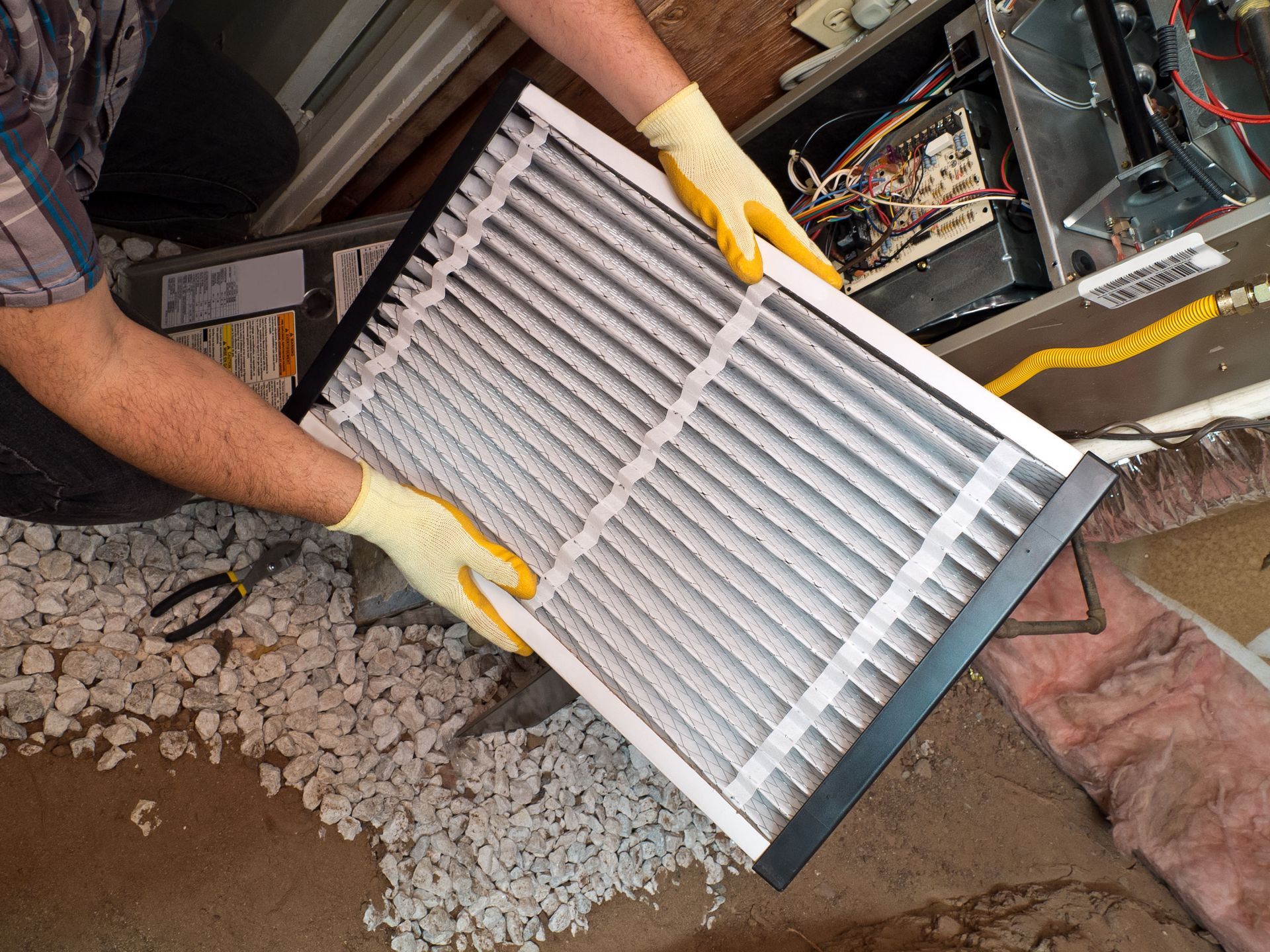
Airflow affects how well conditioned air reaches living spaces and how efficiently equipment operates. When filters clog with dust, air movement may be restricted, forcing the system to work harder. Filter needs vary by equipment, filter type, household conditions, and manufacturer guidance, so follow the recommended replacement schedule. A technician can recommend a suitable filter, since an incompatible type may also restrict airflow.
Registers and return-air grilles should remain clear of furniture, rugs, curtains, and stored items. Blocked openings can interfere with circulation and cause temperature differences between rooms. If areas remain stuffy or noticeably warmer or cooler, a professional can evaluate duct layout, airflow balance, and equipment performance. Better airflow throughout a residential HVAC system can support even comfort and reduce strain on components.
Sealing Ductwork and Reducing Air Leaks
Ductwork carries heated or cooled air to rooms, but leaks and poor insulation can waste conditioned air. This can be especially problematic when ducts pass through attics, crawlspaces, garages, or other unconditioned areas. A professional inspection can identify loose connections, damaged sections, and inadequate insulation. Sealing and insulating ducts where appropriate can improve delivery and reduce energy waste.
Leaks around windows, exterior doors, attic access points, and other openings can make heating and cooling equipment work harder. Outdoor air entering freely makes indoor temperatures harder to maintain during extreme weather. A home energy assessment can locate significant leakage and identify insulation improvements. These upgrades complement maintenance because equipment no longer has to compensate as much for avoidable heat gain or loss. These measures help a residential HVAC system maintain the requested temperature with less wasted conditioned air.
Using Thermostat Settings More Strategically
Thermostat settings influence how often equipment runs and how much energy it uses. Adjusting settings to household schedules can reduce unnecessary heating or cooling when people are away or asleep. Programmable and smart thermostats automate temperature changes and allow remote adjustments. The right option depends on routines, equipment compatibility, and the level of control occupants want.
Smart features are most useful when they support consistent temperature management without sacrificing comfort. Some models offer usage reports, learning functions, and scheduling tools to help households understand their patterns. Before installing a thermostat, a professional can confirm compatibility with the existing residential HVAC equipment and configure it correctly. Placement also matters, since sunlight, drafts, or nearby heat sources can distort readings. A well-configured residential HVAC schedule can limit operation during predictable periods when the home is unoccupied.
Evaluating Equipment Size and Condition
Equipment efficiency depends on more than the label attached to a furnace, air conditioner, or heat pump. Incorrectly sized systems may cycle too frequently or run too long without delivering expected comfort. Proper sizing considers layout, insulation, windows, air leakage, and local climate, not just square footage. When replacing equipment, ask the contractor how the home’s heating and cooling load will be calculated.
Older equipment may lose performance as components wear. If energy costs rise, repairs become frequent, or rooms remain uncomfortable despite maintenance, a professional assessment can compare continued service with replacement. High-efficiency equipment may reduce consumption, but results depend on sizing, installation, duct condition, and use. A new residential HVAC system should be part of a whole-home plan, so air leaks and airflow restrictions do not undermine the investment. Ask for a comparison that considers expected energy use, repair history, and the system’s remaining service life.
Managing Indoor Humidity and Seasonal Demands
Temperature is only one part of indoor comfort. Humidity affects how warm or cool a room feels, and excess moisture can contribute to condensation or indoor air quality concerns. Air conditioners remove some moisture while cooling, but results depend on sizing, operating conditions, and moisture sources. If rooms feel clammy or condensation is common, a residential HVAC professional can evaluate the system and recommend a response.
Seasonal changes also affect efficiency. During extreme heat or cold, equipment may run longer because the indoor-outdoor temperature difference is greater. Insulation, sealed windows and doors, and maintained equipment help a home resist these conditions. For a
residential HVAC system, balancing temperature control with humidity management can improve comfort without relying only on aggressive thermostat settings. A professional can determine whether moisture concerns stem from ventilation, equipment operation, or other building conditions.
Considering Professional Upgrades and Controls
Some efficiency improvements require more than maintenance or schedule changes. Options may include upgraded controls, duct insulation, zoning, or replacement equipment with stronger efficiency performance. Choices should reflect the home’s needs rather than one feature or advertised rating. A qualified contractor can explain benefits, compatibility, costs, and limitations before work begins. Contractors can also explain whether available utility incentives apply to qualifying equipment or home efficiency upgrades.
According to IBISWorld, the U.S. heating and air-conditioning contractors industry comprises around 120,000 businesses and grew at a compound annual rate of 2.6% from 2021 to 2026. This points to a sizable field of providers serving heating and cooling needs nationwide. A professional assessment can clarify which services are relevant, help compare recommendations, and prioritize improvements by condition and expected impact. Clear explanations make it easier to plan upgrades with realistic expectations.
Home efficiency usually comes from several coordinated improvements rather than one dramatic change. Maintenance, suitable filtration, clear airflow pathways, sealed ductwork, insulation, thoughtful thermostat controls, and properly selected equipment can all contribute. The right starting point depends on the home’s condition, energy use, and comfort concerns, so a targeted evaluation can help avoid ineffective spending. Ongoing attention also makes it easier to spot performance changes before minor issues grow.
Mountain City Service can help homeowners evaluate heating and cooling performance and identify opportunities to improve efficiency. Our team can assess system condition, discuss maintenance needs, and explain repair, control, or equipment options suited to the property. Professional guidance helps homeowners make informed decisions about comfort, operating costs, and long-term performance. Contact Mountain City Service to discuss your home’s HVAC needs and identify improvements that may make a meaningful difference.