November 19, 2026
In recent years, many homeowners have noticed a significant increase in their energy bills, often with HVAC systems being a substantial contributor. As energy costs rise, understanding the efficiency of your residential HVAC system becomes crucial. Beyond comfort, these systems play an integral role in household energy consumption. With this understanding, it's beneficial to keep up-to-date with the latest advancements in HVAC technology. Awareness of potential inefficiencies can help homeowners make smarter choices about maintaining their systems. Choosing the right system can further enhance comfort and cost-effectiveness in the long run. This article will explore several common issues homeowners face with their HVAC systems, focusing on optimization and energy-saving strategies. Whether you're trying to reduce costs, improve efficiency, or even make greener choices, evaluating your current HVAC situation is necessary. According to Gitnux, approximately 45% of U.S. homeowners plan to upgrade their HVAC systems within the next five years, placing energy efficiency among their top priorities. Keeping this trend in mind, let us delve into what could be affecting your energy usage.
Prioritize Regular Maintenance
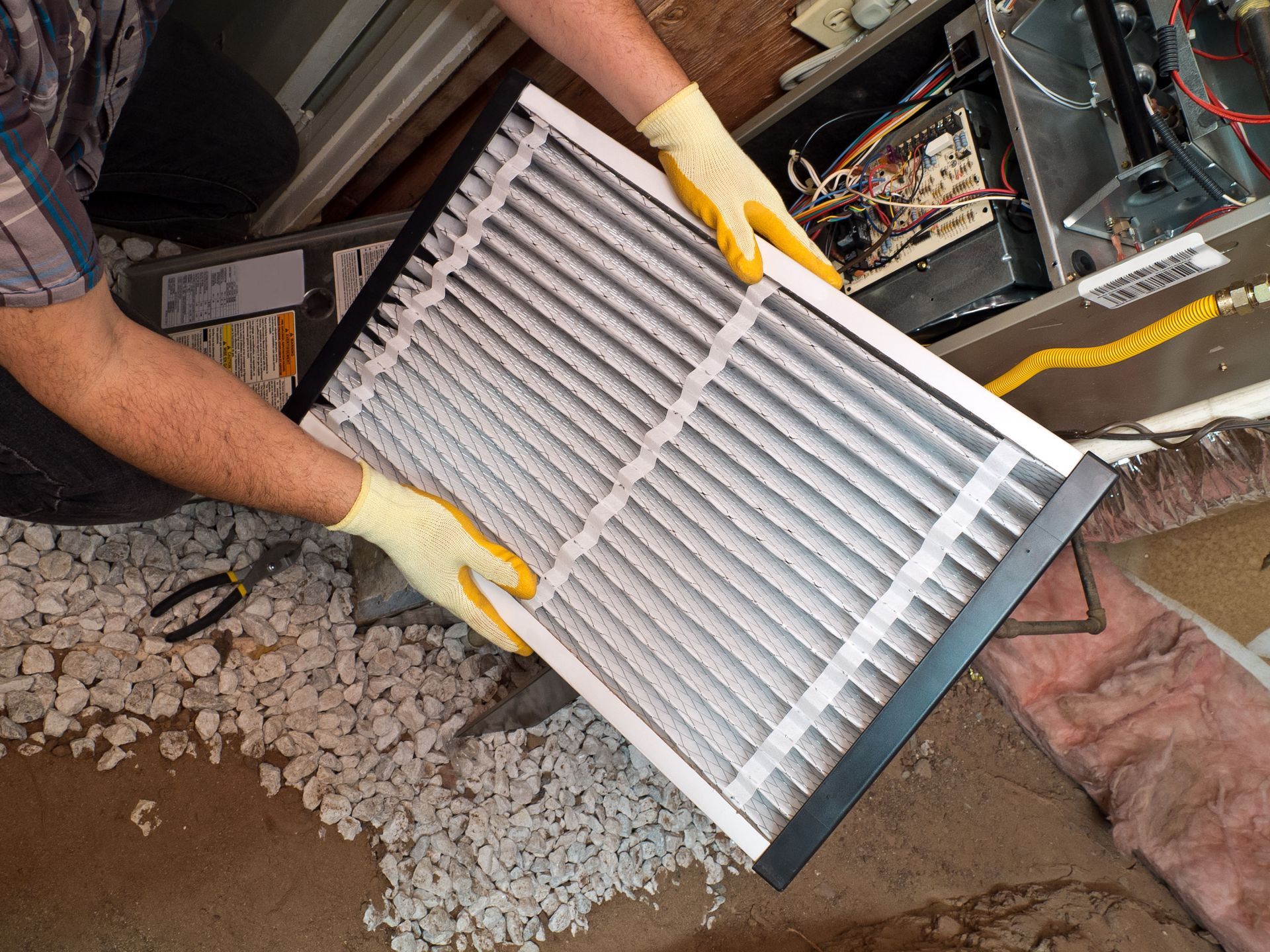
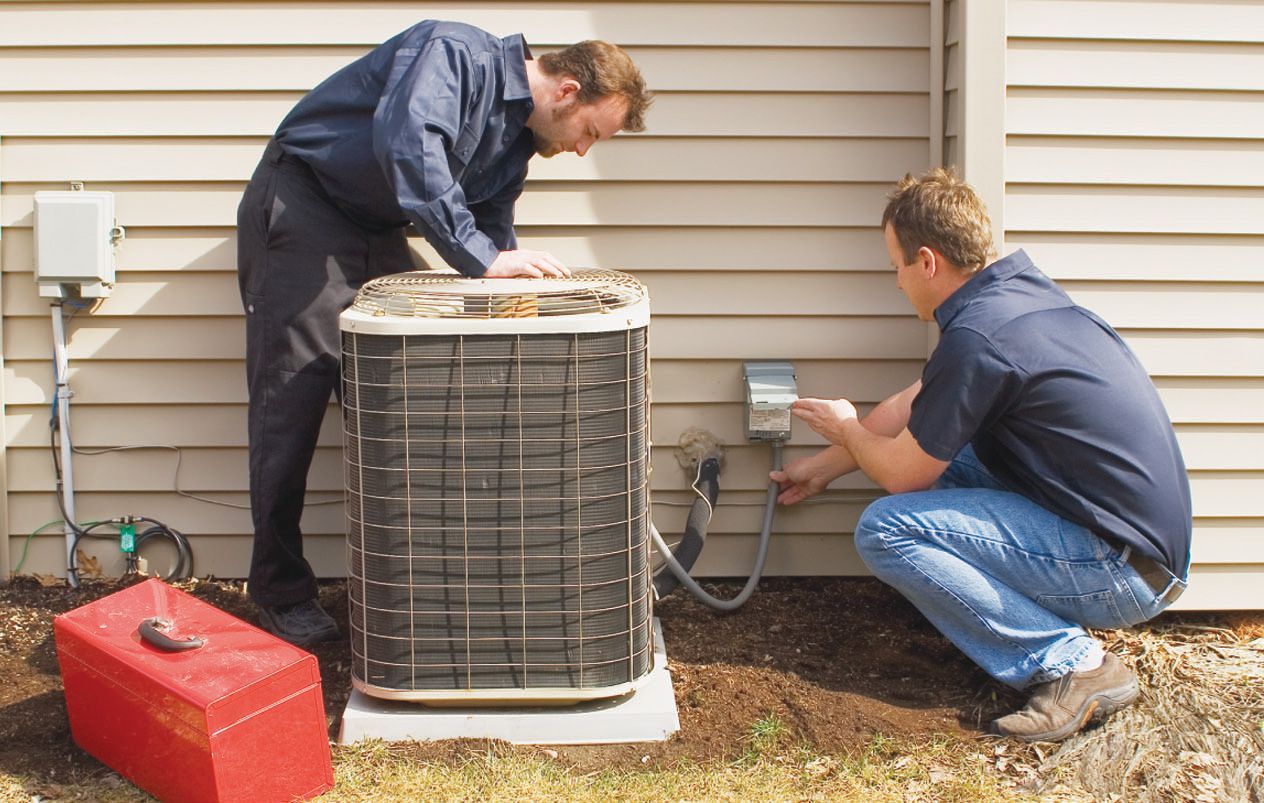
One of the leading reasons for increased energy consumption in residential HVAC systems is the lack of regular maintenance. Like any complex machinery, HVAC systems require routine check-ups to ensure they are running efficiently. Components such as filters, coils, and fins need regular care to function at their best. When these components are overlooked, your system must work harder to maintain the desired temperature, consuming more energy. Neglecting maintenance not only leads to higher bills but also significantly increases the risk of unexpected system breakdowns. Additionally, a well-maintained system contributes to improved air quality within your home. Encouraging routine upkeep fosters longevity, ultimately saving time and money over the lifespan of your HVAC system.
Regular upkeep not only extends the lifespan of the equipment but also ensures peak performance. Simple tasks like changing filters every few months can significantly reduce energy usage. Yet, many homeowners often overlook these minor maintenance undertakings, subsequently resulting in escalating energy bills. A proactive maintenance schedule is vital for those 45% of homeowners keen on upgrading in the next few years. Consistent maintenance can be a worthwhile investment, leading to lower utility bills while enhancing system reliability. By staying vigilant, you can avoid costly repairs and enjoy a more comfortable home environment.
Evaluate Equipment Age and Efficiency
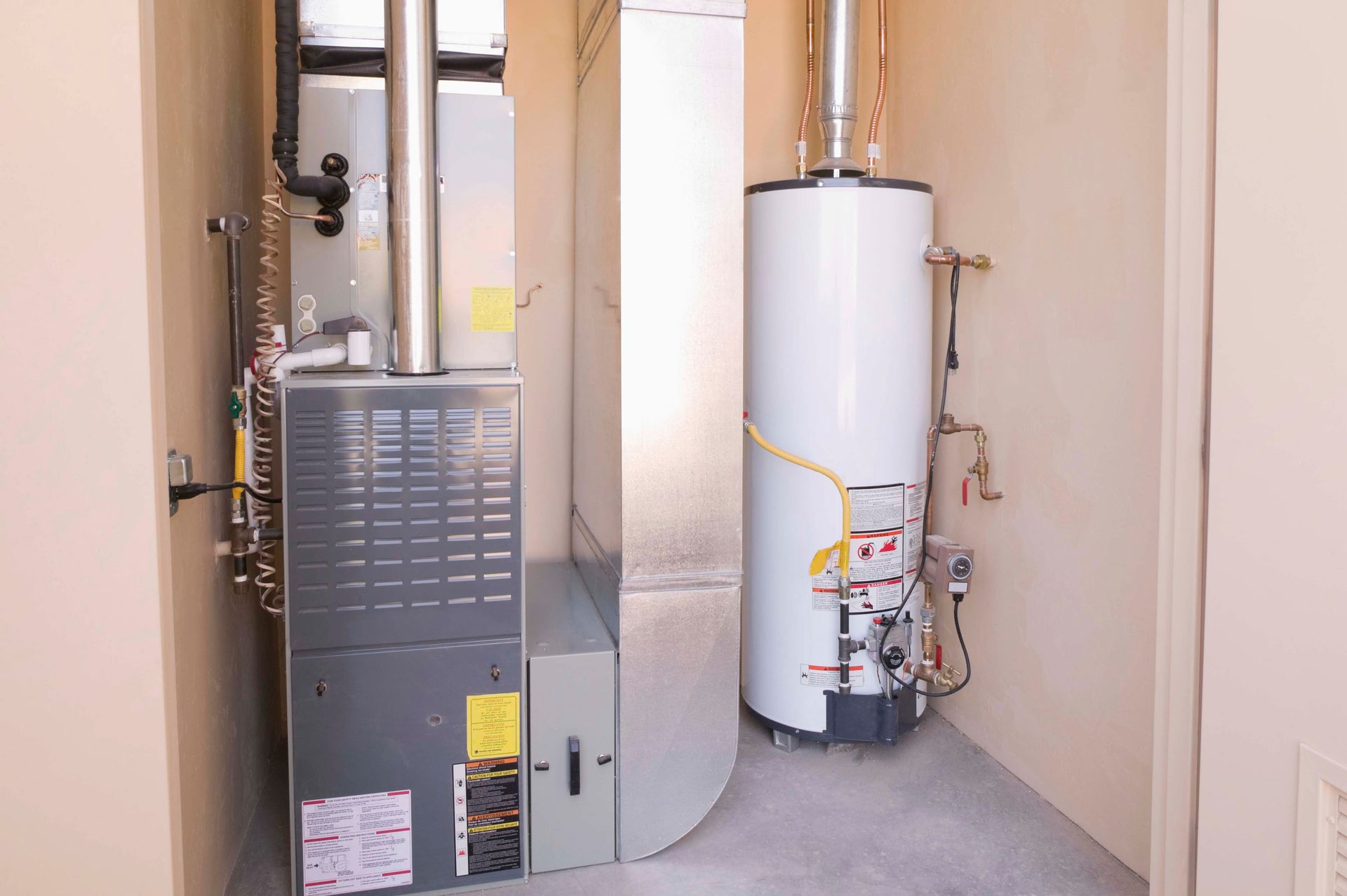
Over time, HVAC systems have seen numerous innovations aimed at improving their energy efficiency. However, older systems may not benefit from these advancements, leading to higher energy consumption. From our experience, equipment that is more than 10 years old is often considered outdated and may use more energy than necessary, lacking the benefits of newer technologies. As technology rapidly progresses, choosing an upgrade could mean accessing smart features and improved performance. Assessing the performance of your current equipment is crucial to determine if a replacement would be beneficial. Investing in state-of-the-art systems not only cuts down on immediate costs but also provides long-term savings.
Considering the high percentage of homeowners planning upgrades, replacing old or obsolete systems with modern, energy-efficient models can yield immediate savings in energy costs. Many modern systems are designed with energy conservation in mind, offering features like programmable thermostats and variable-speed blowers. Such upgrades not only align with the growing focus on energy efficiency but also represent a strategic financial investment. The integration of new technology could offer unprecedented levels of control and customization. With future-conscious decision-making, homeowners can contribute to reducing their carbon footprint while enhancing home value.
Assess Proper System Sizing
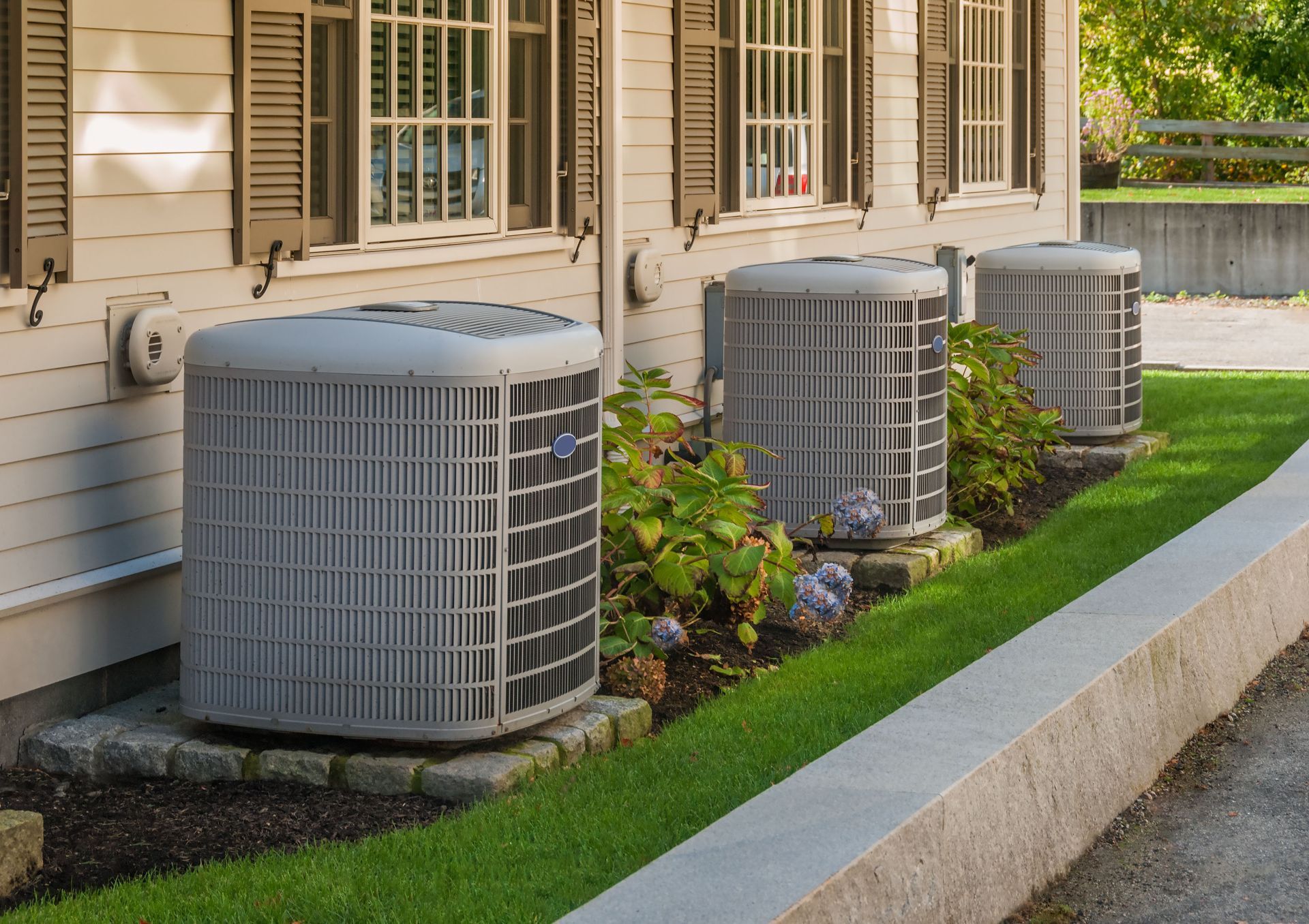
One frequent oversight in residential HVAC systems is improper sizing. An HVAC unit that is too large will cycle on and off frequently, leading to energy waste. Conversely, a system that is too small will run continuously to meet the household's needs, also increasing energy consumption. The importance of accurate sizing cannot be overstated. Properly sized units prevent undue strain and inefficiency, sustaining their lifespan significantly. Opting for an accurate evaluation can lead to improved indoor air quality and consistent flow. Making a well-informed choice is thus both a financial and environmental strategy.
The proper sizing of an HVAC system depends on various factors, including the size of the home, climate, and specific insulation properties. Engaging with HVAC professionals to assess and recommend the correct size is crucial. A correctly sized system ensures optimal performance, contributes to lower energy bills, and increases overall home comfort, making it an essential consideration for those 45% planning on upgrading soon. Accurate sizing carries the benefit of aligning energy use with specific household needs. Collaborating with industry experts on this decision can result in an all-around better living experience.
Enhance Insulation Efficiency
Poor insulation can significantly impact your HVAC system's effectiveness, compounding energy use and costs. No matter how efficient your residential HVAC system may be, inadequate insulation in the home leads to heat loss in winter and heat gain in summer, pushing your HVAC system to work harder. Understanding your home's thermal envelope is a step toward mitigating these issues. Updated materials and installation techniques offer superior insulation, drastically improving energy efficiency. Working towards a more sealed environment aligns not only with energy goals but also enhances comfort levels across seasons.
Improving insulation in walls, attics, and windows is a straightforward method to enhance HVAC efficiency. Air leaks are often found around doors and window frames, which can be managed with proper sealing techniques. By focusing on insulation, homeowners can complement their HVAC systems' efficiency, improving energy costs and living comfort. This aspect often goes hand-in-hand with upgrades, explaining why it's a focal point for many homeowners. The impact of improved insulation extends beyond cost savings by contributing to reduced noise and greater protection from external elements. With attention to these details, homeowners can enjoy a more peaceful and sustainable living space.
Adjust Thermostat Usage Wisely
The habit of thermostat manipulation is another element that might contribute to increased energy use in residential HVAC systems. Setting your thermostat incorrectly can dramatically impact energy consumption—whether it's set too high or too low, your system will be called upon to adjust more often, leading to increased wear and energy costs. Regularly reviewing settings and working towards energy-saving programs can fine-tune overall efficiency. Strategic use of schedules and zoning often results in tailor-made comfort without sacrificing economy. Ensuring that this practice becomes a standard part of HVAC management facilitates sustained savings.
Smart thermostats offer solutions by allowing for efficient scheduling and remote management, making precise temperature regulation easier. By implementing energy-saving settings, you can dramatically cut down on utility bills, an enticing prospect for the 45% of homeowners considering HVAC upgrades. These devices aid in creating a consistent temperature environment, reducing unnecessary energy expenditure and prolonging the life of your HVAC system. By leveraging the data and insights provided by smart technologies, you can optimize efficiency and align energy use perfectly with comfort needs. Proactively setting thermostat goals helps maintain a delicate balance between expenditure and convenience.
Your HVAC system accounts for a significant portion of your household's energy expenditure. By addressing the aforementioned factors—regular maintenance, updating old equipment, proper sizing, enhancing insulation, and mindful thermostat settings—you can optimize your system for better energy efficiency. These insights allow you to make informed decisions aimed at reducing costs and contributing to a more sustainable environment. Reach out to Mountain City Service to learn more about our residential HVAC services today.