October 20, 2026
Choosing a new heating and cooling system is not simply a matter of replacing an old unit with one that has the same capacity. The amount of heating and cooling a building needs depends on its size, insulation, windows, ductwork, air leakage, and local climate. If those factors are not evaluated correctly, even quality equipment can struggle to deliver the expected comfort.
That is why load calculation is one of the most important steps before an HVAC install. Mountain City Service provides air conditioning and heating installation throughout Chattanooga and surrounding communities, with NATE-certified technicians who evaluate sizing, ductwork compatibility, and placement before installation.
Load Calculation Determines How Much Heating and Cooling the Home Needs
An HVAC load is the amount of heating or cooling required to maintain comfortable indoor conditions. It is not determined by square footage alone. Two homes with the same floor area can have very different needs depending on insulation levels, ceiling heights, window area, sun exposure, air leakage, and construction.
For residential systems, the Air Conditioning Contractors of America identifies Manual J as the national ANSI-recognized standard for calculating heating and cooling loads. It considers building characteristics rather than relying on a simple rule of thumb.
That information becomes the foundation for equipment selection. A professional HVAC install should begin with understanding the load before deciding how much capacity the new furnace, air conditioner, or heat pump should provide.
Bigger Equipment Is Not Automatically Better
It can seem logical that a larger air conditioner or furnace would heat or cool a home more effectively. In practice, equipment that is oversized for the building can create its own performance problems.
An oversized cooling system may reach the thermostat setting quickly and shut down before completing a steadier operating cycle. ACCA notes that oversized equipment can short cycle, increase operating costs, add wear, and reduce equipment life.
Short run times can also affect comfort because the system may not operate long enough to distribute conditioned air evenly throughout the home. Correct load calculation helps avoid buying extra capacity that the building does not actually need.
An Undersized System Can Struggle to Keep Up
The opposite problem occurs when heating or cooling equipment is too small for the calculated load. During extreme Chattanooga summer heat or colder winter conditions, an undersized system may run for long periods while still struggling to reach the desired indoor temperature.
Continuous operation may simply mean the system is trying to serve a load that exceeds its capacity. That can create comfort complaints, higher energy use, and additional wear.
Proper sizing is intended to select equipment that can meet the building's heating and cooling requirements without being unnecessarily large.
Windows, Insulation, and Air Leakage Change the Calculation
Square footage is only one piece of the sizing process. Windows can add heat through solar exposure or allow heat to escape during colder weather. Insulation affects how quickly heat moves through walls and ceilings. Air leakage introduces outdoor air that the HVAC system must also heat, cool, or dehumidify.
Renovations can change those conditions. New windows, added insulation, an addition, or air-sealing work may mean replacement equipment should not simply match the old system's capacity.
A detailed load calculation accounts for the current building rather than assuming the old system was sized correctly when it was installed.
Ductwork Has to Work With the Selected Equipment
Correct equipment sizing is only part of the installation. The duct system also has to move the required amount of conditioned air to the rooms that need it.
Mountain City Service includes ductwork compatibility as part of its heating and cooling installation process. Existing ducts may need to be evaluated for size, configuration, condition, and airflow before new equipment is connected.
Installing more capacity does not automatically solve an airflow problem. If ducts are poorly matched or certain rooms receive inadequate airflow, comfort problems can remain after installation. Load calculation and duct evaluation help the contractor consider the system as a whole.
Correct Sizing Supports More Consistent Comfort
Efficiency ratings matter, but comfort depends on more than the number on an equipment label. A properly sized system should maintain temperatures more consistently without excessive cycling or prolonged operation.
Room-by-room conditions matter as well. Areas with large windows, different exposures, vaulted ceilings, or unusual construction may have different heating and cooling needs than the rest of the house.
Understanding those differences can help the installer select equipment and evaluate airflow with the goal of reducing hot and cold spots throughout the home.
Load Calculation Can Affect Humidity Control
Cooling systems do more than lower air temperature. As warm indoor air passes over the cold evaporator coil, the system also removes moisture. That process takes time.
If an oversized air conditioner cools the home too quickly and shuts off, it may have less time to remove humidity. The thermostat can be satisfied while the home still feels uncomfortable.
A correctly planned HVAC install considers both temperature control and the overall cooling load so the system can operate in a way that supports more consistent indoor comfort.
Proper Sizing Can Protect a Long-Term Investment
Heating and cooling equipment is a major investment, so long-term operating conditions matter. Short cycling, excessive run time, airflow problems, and poor system design can place unnecessary stress on components.
According to Bob Vila, most HVAC systems can last between 15 to 25 years. Actual service life varies by equipment type, climate, usage, installation quality, and maintenance, but that broad range shows why decisions made at installation can matter for many years.
Mountain City Service also recommends regular HVAC maintenance, including seasonal service before the heating and cooling seasons. Correct sizing at installation and consistent maintenance afterward work together to support reliable performance.
Replacing an Old System Is a Good Time to Recalculate
Homeowners sometimes assume that replacing a three-ton air conditioner means the new unit should also be three tons. That assumes the old equipment was sized correctly and that nothing about the home has changed.
A load calculation provides an opportunity to start with current conditions. Improvements such as new windows or insulation may have lowered the load, while an addition or other renovation may have increased it.
For that reason, equipment replacement is one of the best times to reassess sizing instead of simply duplicating the old system. A careful HVAC install should reflect the home that exists today.
Professional Installation Goes Beyond Setting the Equipment in Place
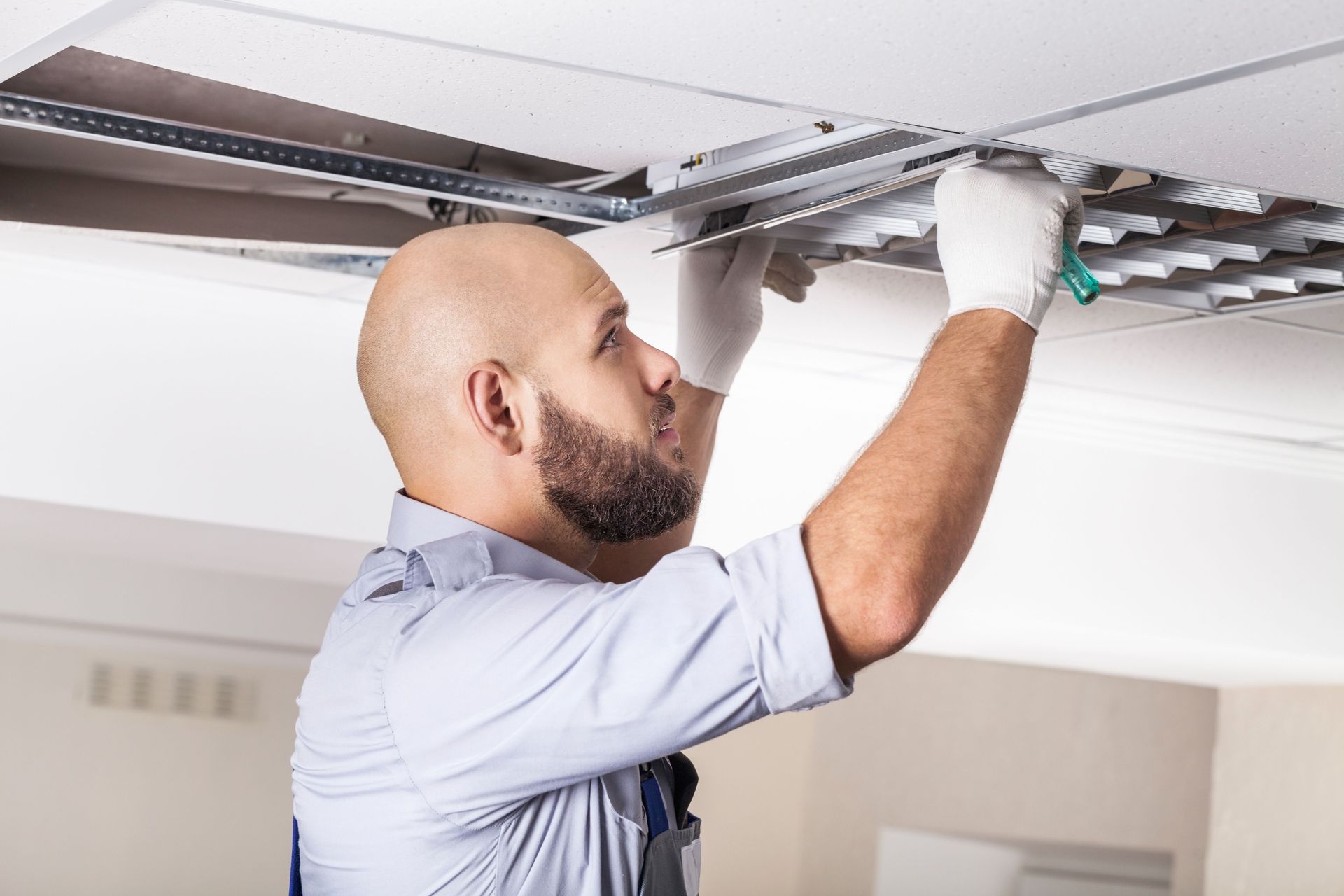
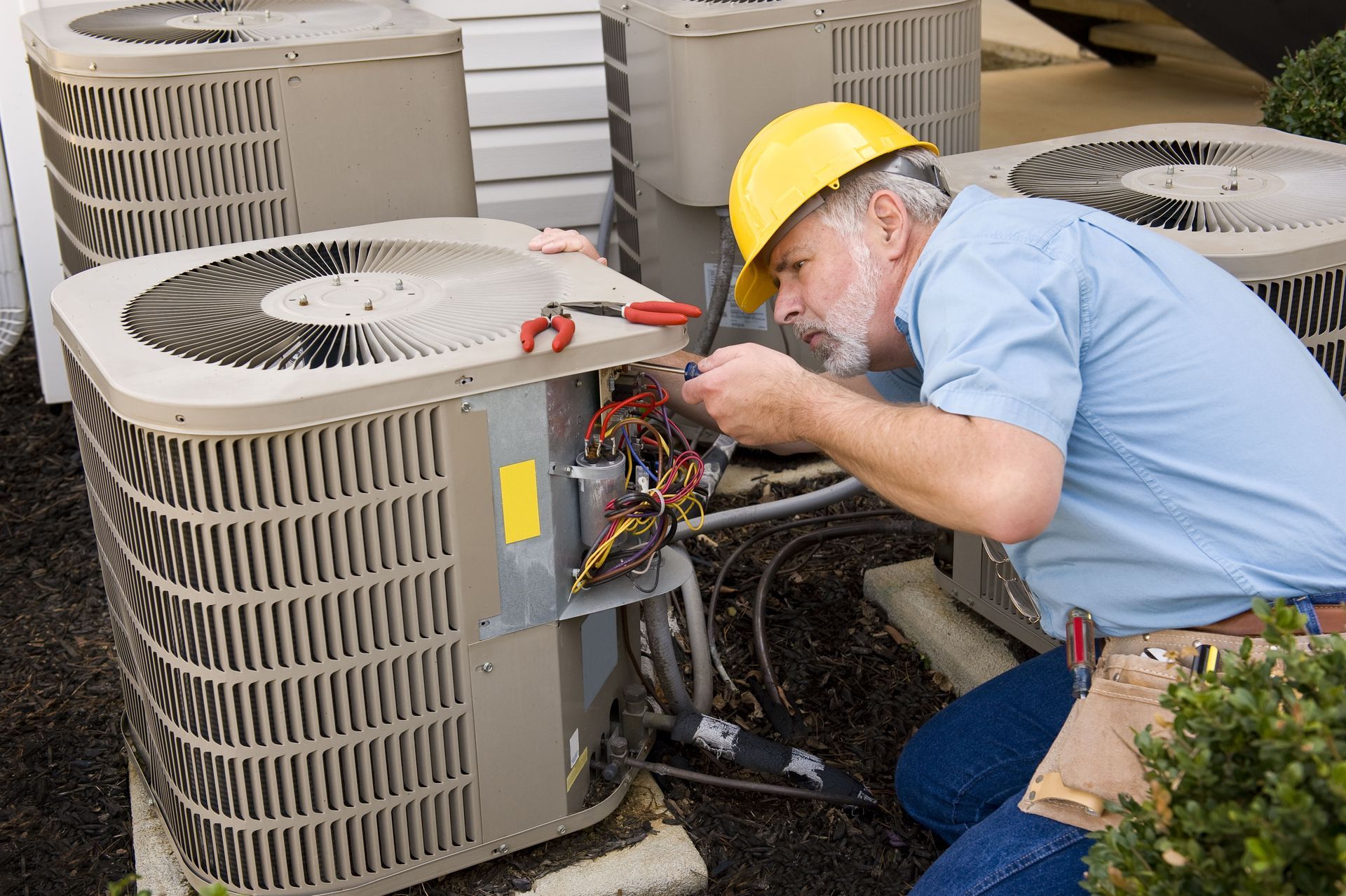
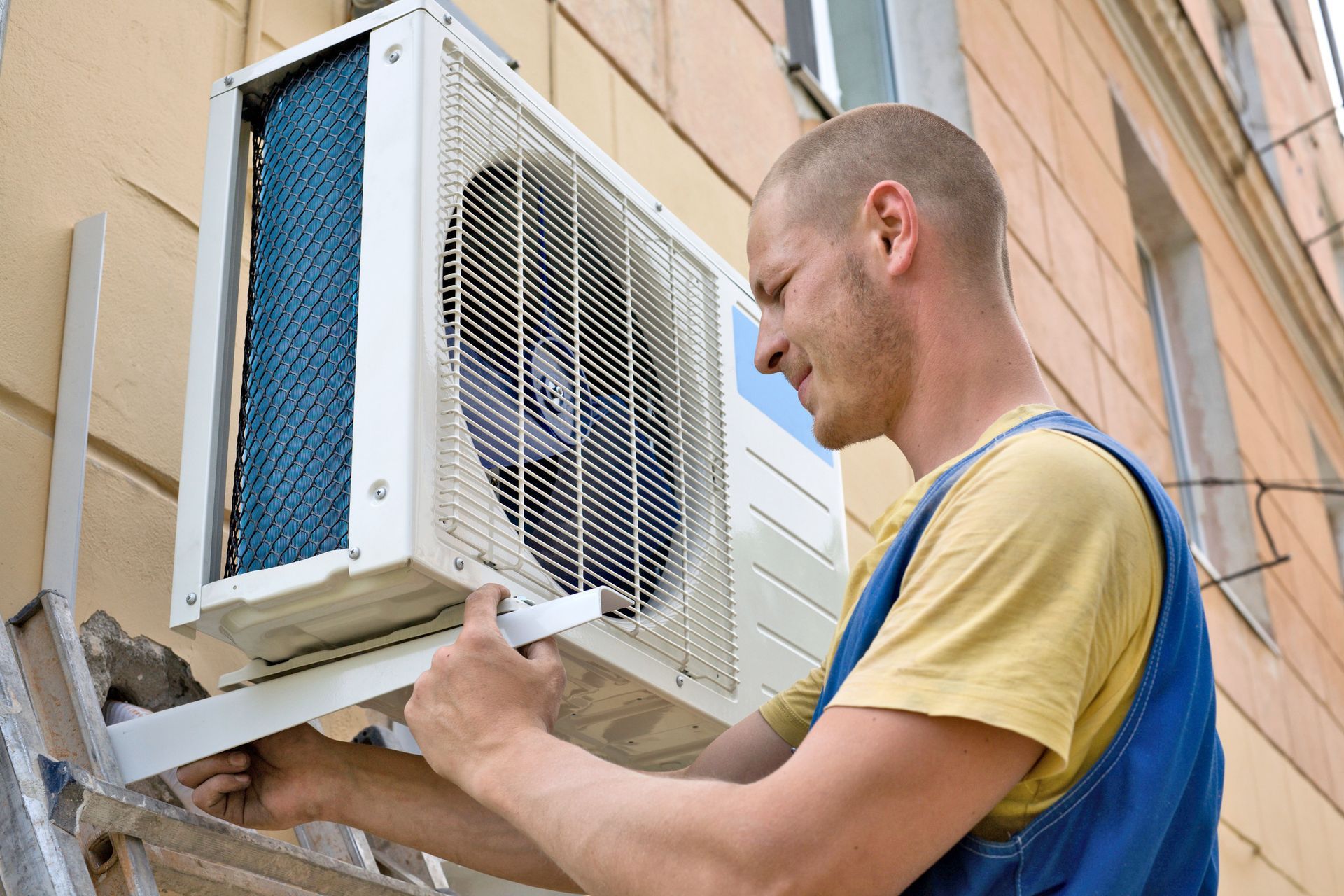
The quality of an installation depends on more than connecting a furnace or air conditioner. System sizing, ductwork, refrigerant charge, thermostat setup, equipment placement, airflow, and final testing can all influence how the system performs.
Mountain City Service states that its AC installation process includes expert sizing and selection, integration with existing ductwork, proper refrigerant charging, smart thermostat setup, and post-installation testing and calibration. Its heating services similarly emphasize proper sizing and ductwork compatibility.
Those steps help turn a load calculation into a system that is matched to the building rather than equipment selected by capacity alone.
Start Your HVAC Install With the Right Numbers
A new heating and cooling system may remain in service for many years, so sizing should not be based on guesswork. Accurate load calculation provides a better foundation for equipment selection, airflow, comfort, humidity control, and long-term operation.
If you are planning an HVAC install in Chattanooga, Signal Mountain, Red Bank, Walden, Falling Water, or the surrounding area, contact Mountain City Service. The company has served Chattanooga-area communities since 2002 and provides air conditioning, heating, plumbing, installation, repair, and maintenance services. Mountain City Service offers 24/7 emergency response, financing, military and senior discounts, and NATE-certified technicians.