July 6, 2026
Managing utility expenses is a priority for every modern organization looking to maximize profitability and maintain comfortable working environments. Heating and cooling systems often represent the single largest electrical demand on a commercial property, which means that operational inefficiencies quickly translate into inflated utility statements. By implementing targeted strategies, facilities can capture substantial savings while keeping indoor climates consistent and productive.
Making a conscious effort to audit energy consumption patterns can uncover a variety of simple modifications that yield immediate benefits. According to HomeGuide, HVAC systems carry minimum seasonal energy efficiency ratio ratings between 13 and 26, depending on the brand and model. Understanding this baseline allows managers to assess where current hardware falls on the utility spectrum and helps guide both daily operational habits and future capital improvements.
1. Implementing Smart Climate Controls
A primary source of unnecessary energy expenditure is the practice of maintaining full climate conditioning in unoccupied spaces. Standard mechanical controls lack the flexibility required to adjust output automatically for variable operational hours, leading to wasted electricity during evenings or weekends. Integrating advanced electronic controls ensures that comfort delivery aligns strictly with physical occupancy trends.
Modern programmable hardware and commercial building management networks enable teams to establish detailed schedules for different zones. For example, programming temperatures to drift closer to ambient conditions outside of working hours prevents a system from working needlessly. The utilization of these automated protocols eliminates the potential for human error, ensuring that comfort systems scale back output precisely when workforce demands decrease.
2. Maintaining Regular Filter Replacements
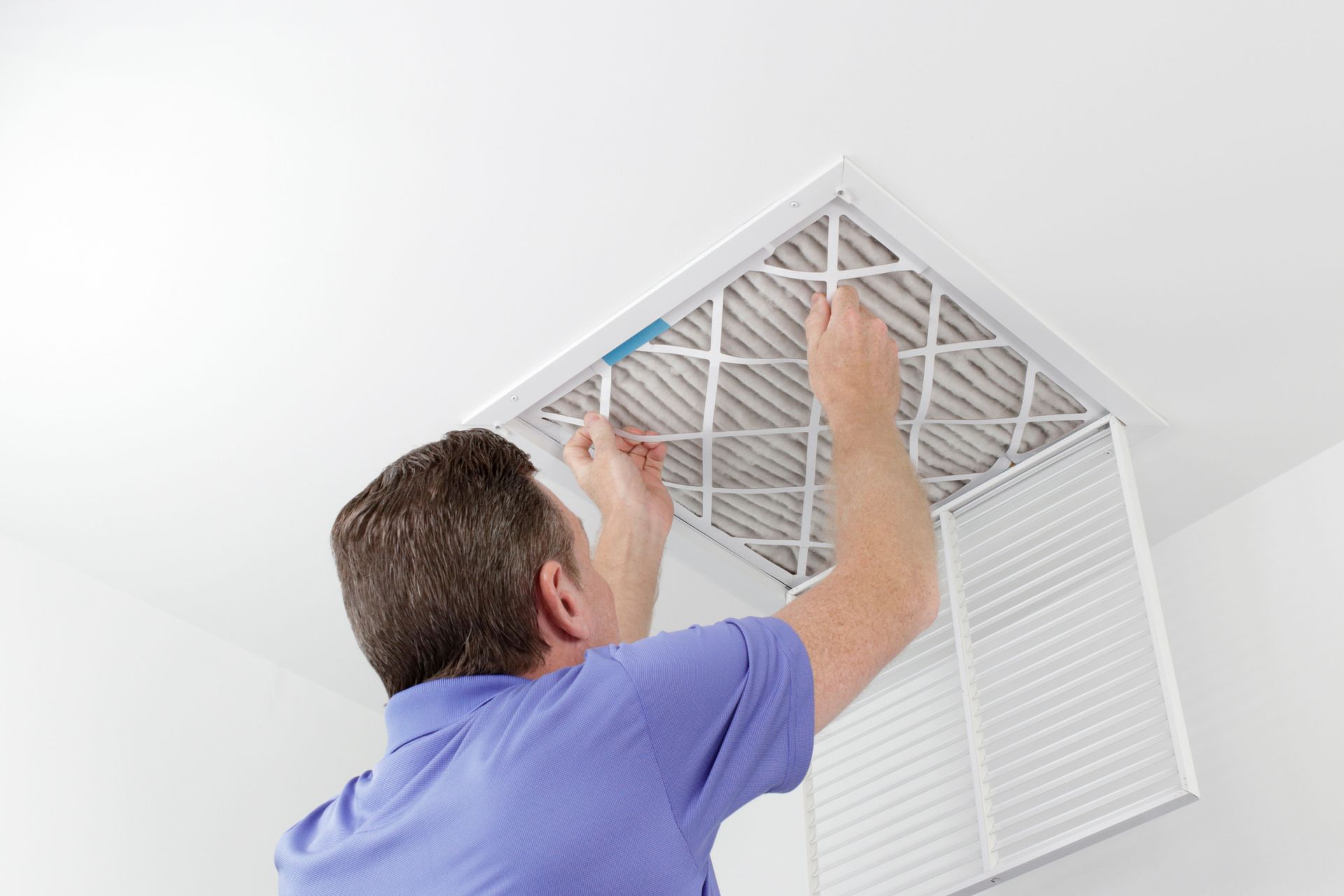
Air circulation relies heavily on unobstructed passages within the central equipment infrastructure. Over time, airborne particulates such as dust, textile fibers, and pollen accumulate on filtration media, restricting the volumetric flow of air through the system. This restriction forces air handlers to work significantly harder, which drives up utility consumption and places premature wear on internal blower motors.
Establishing a strict calendar protocol for checking and replacing these barriers is a foundational component of effective operational oversight. HVAC facilities operating in high debris environments may require updates every thirty days, whereas cleaner environments can manage with quarterly rotations. Keeping these channels clear reduces static pressure, allows smooth distribution, and directly lowers the electrical draw of internal distribution fans.
3. Scheduling Bi-Annual Mechanical Tunings
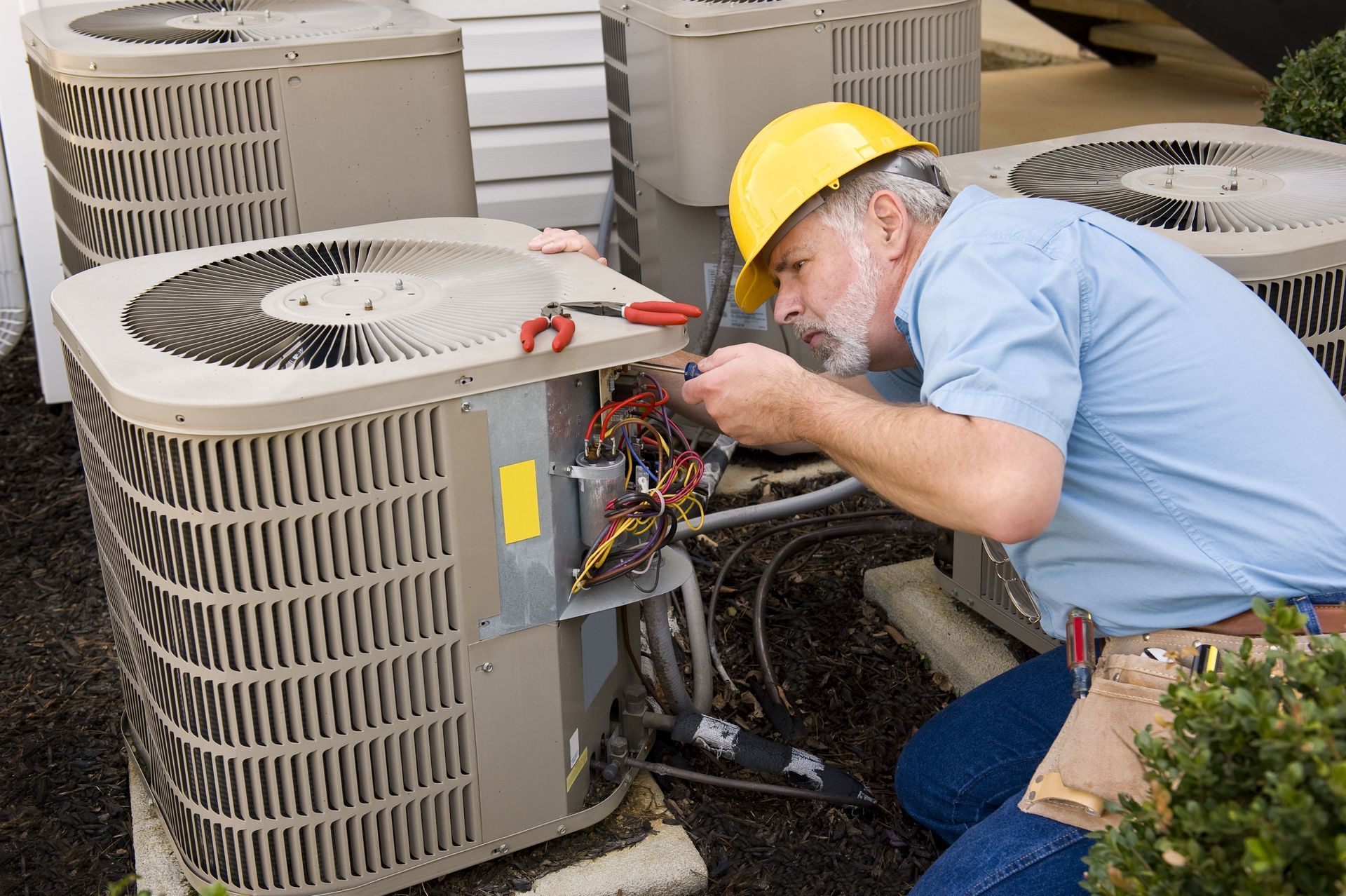
Neglecting professional mechanical inspections can lead to invisible performance drops that steadily erode an operating budget. Internal components experience subtle degradation over months of continuous operation, including loose electrical connections, declining refrigerant levels, and misaligned belt drives. If left unaddressed, these minor issues compound, forcing the entire network to run longer cycles to meet standard thermostat targets.
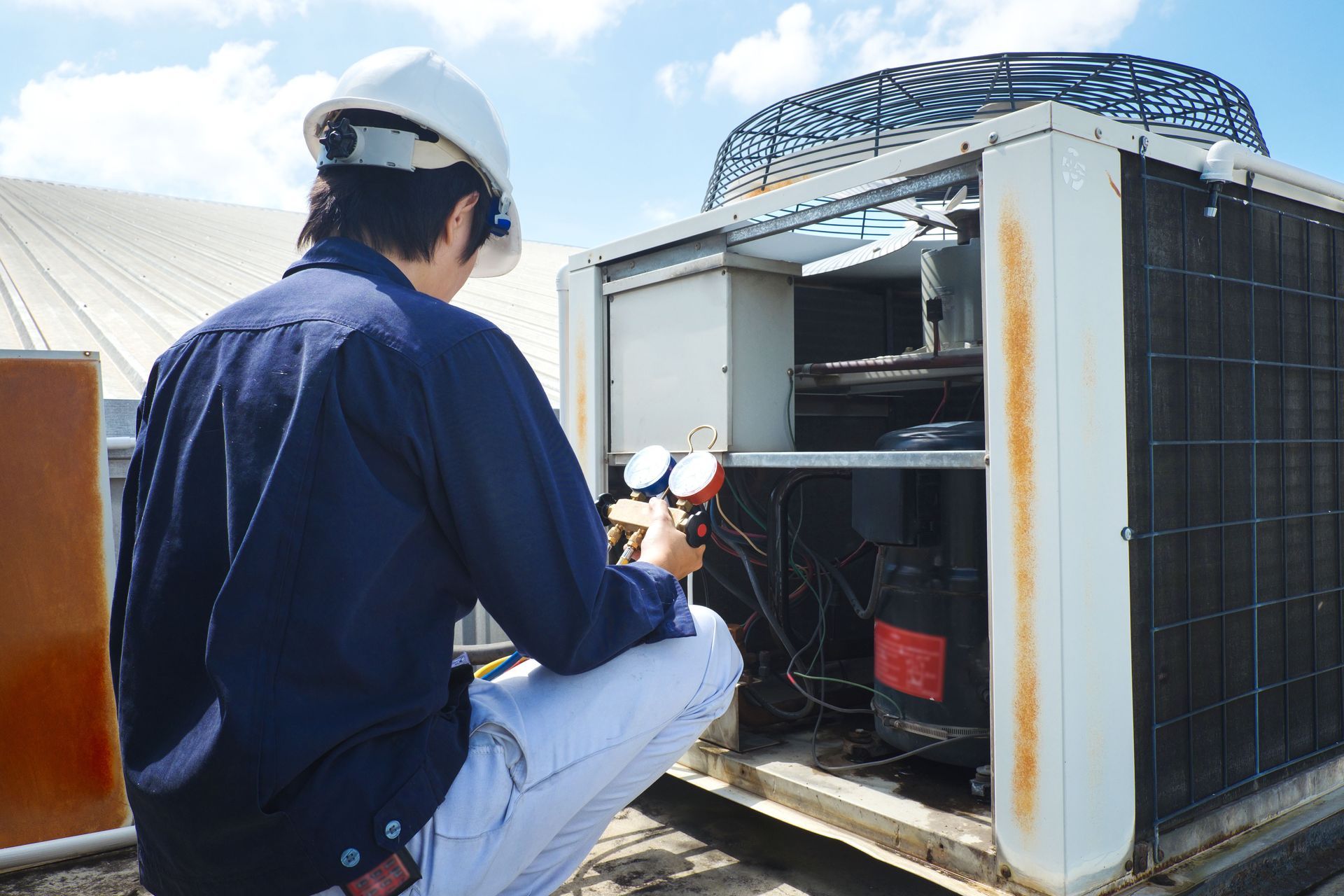
Arranging for qualified technicians to execute seasonal maintenance before peak heating and summer cooling demands arrive secures peak equipment health. These service visits include the chemical cleaning of heat exchange coils, the lubrication of moving parts, and the calibration of safety switches. Ensuring that each subcomponent functions at optimal specifications prevents sudden system failures and maintains the baseline efficiency necessary to control utility costs.
4. Sealing Visible Envelope Leaks
Conditioned air must remain contained within the structural boundaries of a building to maximize the value of every utility dollar. Structural shifting, aging sealants, and gaps around service entry points allow treated air to escape while drawing unconditioned ambient air indoors. This continuous exchange causes indoor conditions to fluctuate rapidly, prompting climate systems to trigger additional cycles.
Conducting a thorough walk-through of the property to identify compromise points around windows, external doors, and utility conduits is highly effective. Applying heavy-duty weatherstripping and high grade caulking compounds to these gaps limits infiltration and stabilizes internal pressures. Restricting outdoor air intrusion lowers the total workload placed on climate machinery and extends the operational lifespan of the entire system.
5. Cleaning Exterior Condenser Areas
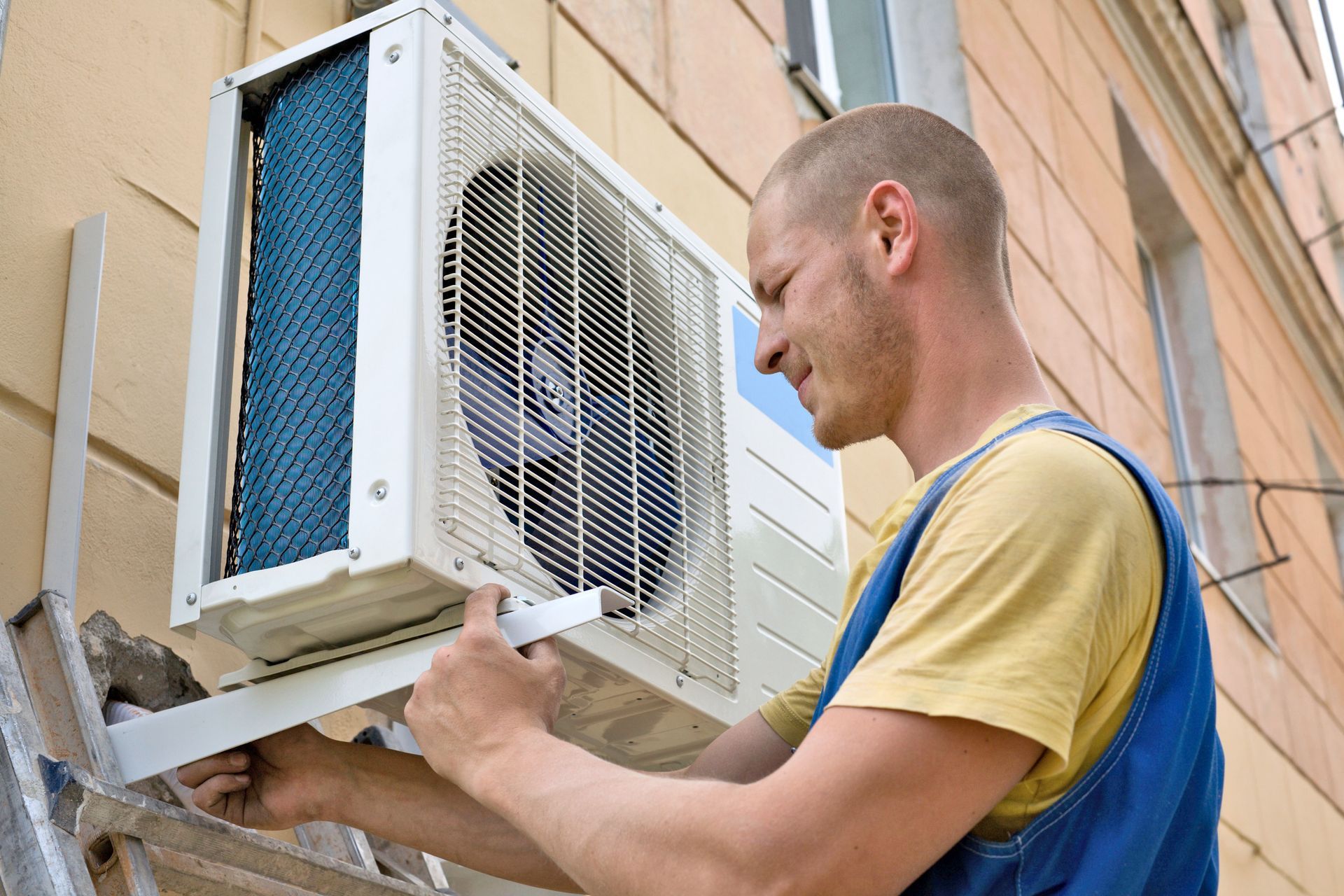
Outdoor heat exchange units require unrestricted environmental airflow to reject heat from the internal fluid lines effectively. Windblown debris, autumn foliage, tall weeds, and accumulated dust often collect around external housing cages, creating an insulating barrier that traps heat. When heat rejection is hindered, internal compressors must operate at higher pressures, which rapidly increases electricity draw. Clearances of at least two feet should be maintained around all sides of outdoor equipment enclosures to facilitate proper thermal transfer.
Regularly rinsing the exterior aluminum fins with low pressure water removes built up grime that restricts heat dissipation. Keeping these outdoor perimeters pristine allows the internal refrigeration cycle to complete with minimal resistance, delivering optimal cooling without burning excess power.
6. Optimizing Ductwork Integrity Networks
The complex network of metal or flexible pathways responsible for distributing conditioned air can develop structural compromises over time. Seam separations, loose joint connections, and physical punctures allow a substantial volume of conditioned air to escape into unconditioned crawlspaces or ceiling plenums. This means that a significant portion of the thermal energy produced by your machinery never reaches the intended workspaces.
Engaging HVAC professionals to inspect duct systems ensures that thermal energy is delivered exactly where it is needed most. Utilizing specialized mastic sealants or foil backed tapes secures these pathways against thermal losses and systemic pressure drops. Ensuring that the distribution matrix remains fully enclosed maximizes system delivery efficiency and prevents the primary climate machinery from running extended cycles to compensate for lost air.
7. Managing Internal Heat Gains
Sunlight streaming through large windows can create an intense greenhouse effect that raises internal temperatures rapidly. This passive solar gain forces cooling networks to work much harder to maintain target temperatures, especially during mid-afternoon peak hours. Simple adjustments to how a building interacts with natural light can noticeably decrease the thermal load placed on cooling equipment. Utilizing reflective window films, heavy commercial blinds, or exterior shading awnings can deflect a high percentage of solar radiation.
Additionally, transitioning building lighting systems from older fluorescent fixtures to modern light emitting diodes reduces internal heat generation. Minimizing these internal heat contributors allows your cooling machinery to cycle off sooner, directly lowering your monthly energy investments.
8. Investing in Equipment Upgrades
When existing machinery approaches the end of its reliable operational lifespan, patch repairs often fail to deliver long term cost relief. Older configurations operate on legacy standards that consume far more electricity than modern options, even when perfectly maintained. Upgrading to a modern platform introduces advanced features like variable speed compressors that adjust output dynamically based on real time demands.
Selecting new hardware with high efficiency ratings ensures a lower total cost of ownership over the lifespan of the asset. Modern installations utilize eco-friendly refrigerants and advanced heat exchanger designs to deliver superior climate control with a fraction of the power consumption. Replacing an aging, inefficient asset stabilizes monthly operational budgets and provides reliable comfort without the constant threat of unexpected breakdowns.
9. Protecting Your Bottom Line
Implementing strategic efficiency measures safeguards your infrastructure investments while delivering consistent environmental control for staff and visitors alike. Every proactive adjustment made to operational habits, structural integrity, and preventative care helps mitigate the rising costs of commercial energy. Partnering with dedicated professionals ensures that your mechanical assets remain in peak operational condition year-round.
For comprehensive support with backflow testing, cooler repair, dryer vent service, freezer repair, HVAC installation, HVAC maintenance, HVAC repair, ice machine repair, plumbing repair, preventative maintenance, refrigeration repair, tankless water heaters, and water heater installation, rely on the certified team at Mountain City Service to keep your operations running smoothly.