January 15, 2026
Signing an agreement for heating, cooling, or related services often feels deceptively simple. Many homeowners assume the paperwork is standard and the service will be the same no matter who they choose. In reality, HVAC companies see major differences in outcomes based on how informed a customer is before committing to a service agreement. Understanding expectations, system limitations, and long-term responsibilities makes the process smoother for everyone involved.
Most problems that arise later are not caused by bad intentions, but by misalignment. When customers understand what they are buying, how their system works, and what ongoing care looks like, the relationship with their service provider tends to be far more successful. This is especially important in regions like Chattanooga and surrounding areas, where seasonal temperature swings put real strain on residential and commercial systems.
Knowing How Your HVAC System Really Works
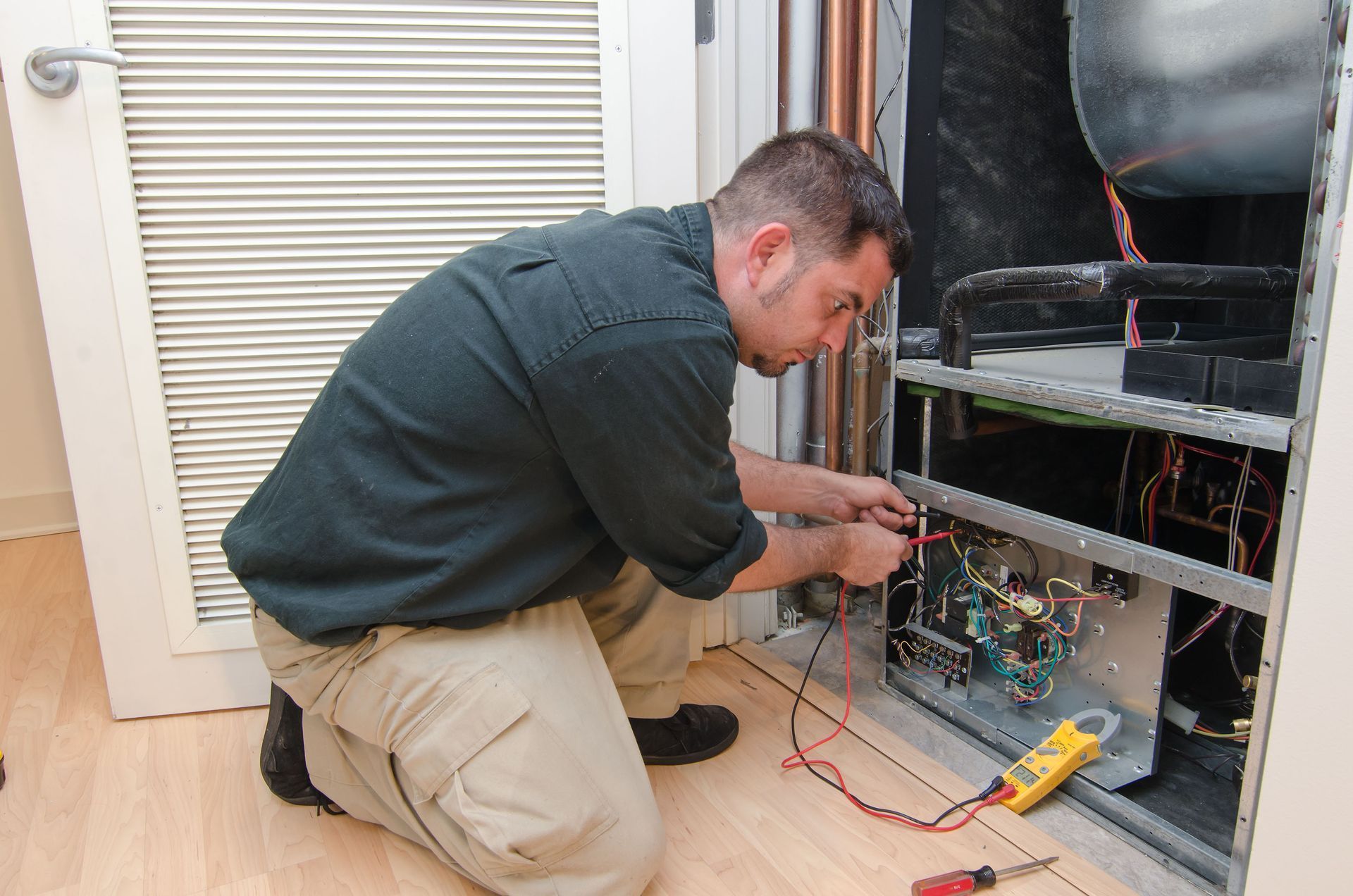
Heating and cooling systems are not single appliances; they are integrated systems made up of multiple components that must work together efficiently. Furnaces, air conditioners, heat pumps, ductwork, thermostats, and ventilation all contribute to comfort and energy use. When one component underperforms, the entire system feels the impact. HVAC companies often wish customers understood that comfort issues are rarely caused by one isolated part.
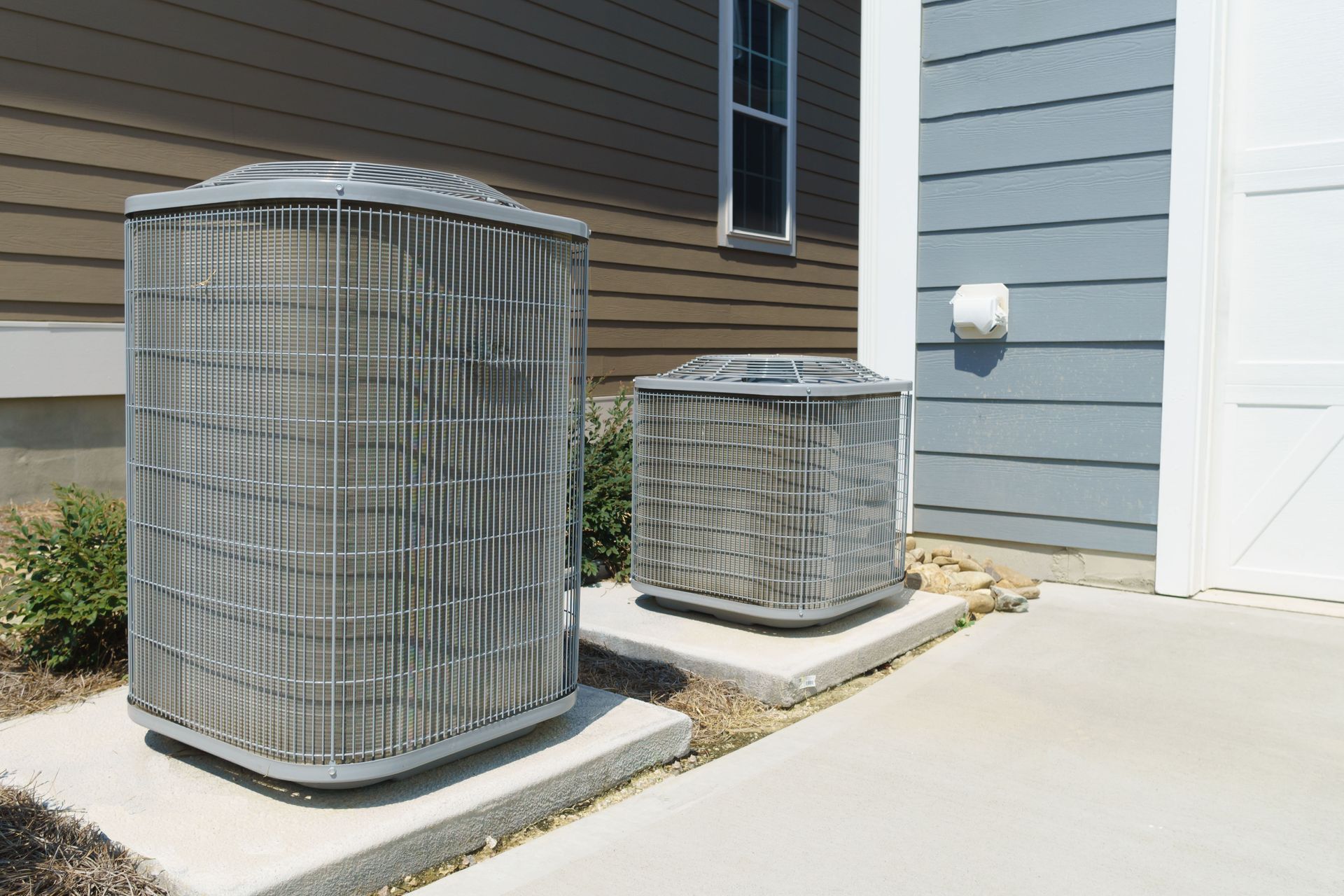
System type matters just as much as system condition. Central systems, ductless units, and heat pumps each serve different needs depending on building layout and climate. Choosing the wrong system for a space can lead to uneven temperatures, higher energy bills, and premature wear. That is why experienced providers emphasize evaluation over quick replacements, even when a system is failing.
Energy efficiency is another area where misunderstandings are common. Higher efficiency systems often cost more upfront, but the operating cost difference can be dramatic. According to Electrek, 20% of Americans have HVAC systems that cost the homeowner an extra $882 annually on average to keep their homes cool—almost four times as much as the most efficient similar homes. HVAC companies frequently see homeowners locked into expensive inefficiency simply because efficiency was not discussed clearly at the beginning.
Understanding Maintenance Expectations From the Start
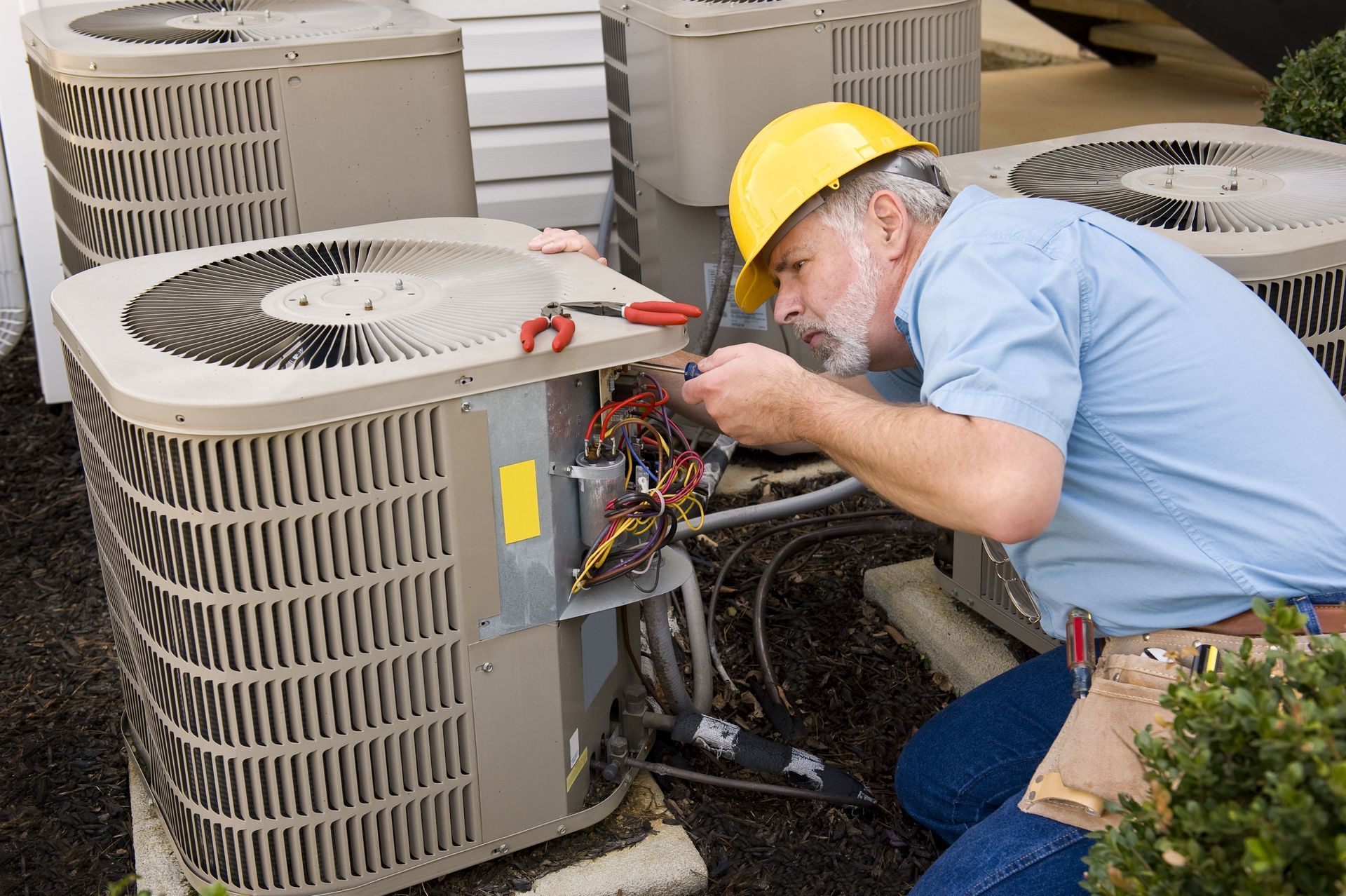
Maintenance is not optional if long-term performance matters. Systems that receive regular inspections, filter changes, cleanings, and adjustments last longer and operate more efficiently. Many homeowners mistakenly treat maintenance as a suggestion rather than a requirement, which often leads to breakdowns during the hottest or coldest days of the year.
Service agreements are designed to prevent those situations, not create unnecessary costs. When HVAC companies recommend routine maintenance plans, the goal is to catch small problems early, reduce emergency calls, and protect the system investment. Consistent maintenance also helps preserve warranty coverage, which can be voided if service requirements are ignored.
Understanding this upfront helps customers avoid frustration later. When expectations are clear, maintenance visits feel proactive instead of inconvenient, and system performance remains far more consistent throughout the year. Customers are more likely to stay on schedule with service when they understand how routine care protects their investment. Regular maintenance also reduces the likelihood of sudden breakdowns during peak heating or cooling seasons. Over time, that reliability creates a smoother experience and fewer urgent repair situations. It also allows service providers to address small efficiency issues before they turn into costly system failures.
Evaluating HVAC Companies Beyond Price
Price matters, but it should never be the only deciding factor. Licensing, certifications, and technician training directly affect system safety and reliability. Reputable HVAC companies meet local and state requirements, follow manufacturer guidelines, and ensure technicians receive ongoing education as technology evolves.
Customer reviews offer valuable insight, especially when patterns appear across multiple platforms. While no company avoids every complaint, consistent feedback about professionalism, response time, and follow-through is a strong indicator of reliability. Experience also plays a major role, particularly when dealing with older systems, mixed-use properties, or emergency situations.
Safety and compliance should never be assumed. HVAC work involves electrical systems, refrigerants, and mechanical components that require strict adherence to safety standards. Companies that prioritize compliance protect both their technicians and their customers, while also ensuring systems operate as intended long after installation.
Understanding Service Agreements, Warranties, and Availability
Service agreements outline what is included, how often service occurs, and what happens when problems arise. Customers benefit from reading these agreements carefully and asking questions before signing. Clear terms reduce misunderstandings and establish a more productive working relationship.
Warranty coverage is another area that often causes confusion. Some warranties cover parts only, others include labor, and most require documented maintenance. Knowing what is covered, for how long, and under what conditions helps customers avoid unexpected expenses when repairs are needed.
Availability also matters more than many homeowners realize. Emergency service access, response times, and after-hours availability can make a significant difference during extreme weather. HVAC companies serving Chattanooga and nearby communities often stress the importance of responsiveness because delays can quickly escalate discomfort and damage.
Making Sense of Costs and Long-Term Value
Transparent pricing helps customers make confident decisions. Detailed estimates should explain labor, materials, and potential variables so there are no surprises later. Comparing quotes is smart, but comparisons should account for service scope, experience, and long-term value rather than focusing solely on the bottom line.
Many factors influence pricing, including system size, installation complexity, ductwork condition, and energy efficiency goals. Financing options can also play a role, allowing homeowners to invest in higher-quality systems without immediate financial strain. HVAC companies that offer flexible payment solutions often help customers choose better long-term options instead of settling for short-term savings.
Hidden costs usually arise when expectations are unclear. Asking direct questions about potential add-ons or complications protects both the budget and the relationship. Clear communication upfront nearly always leads to better outcomes.
Preparing Your Property for Installation or Replacement
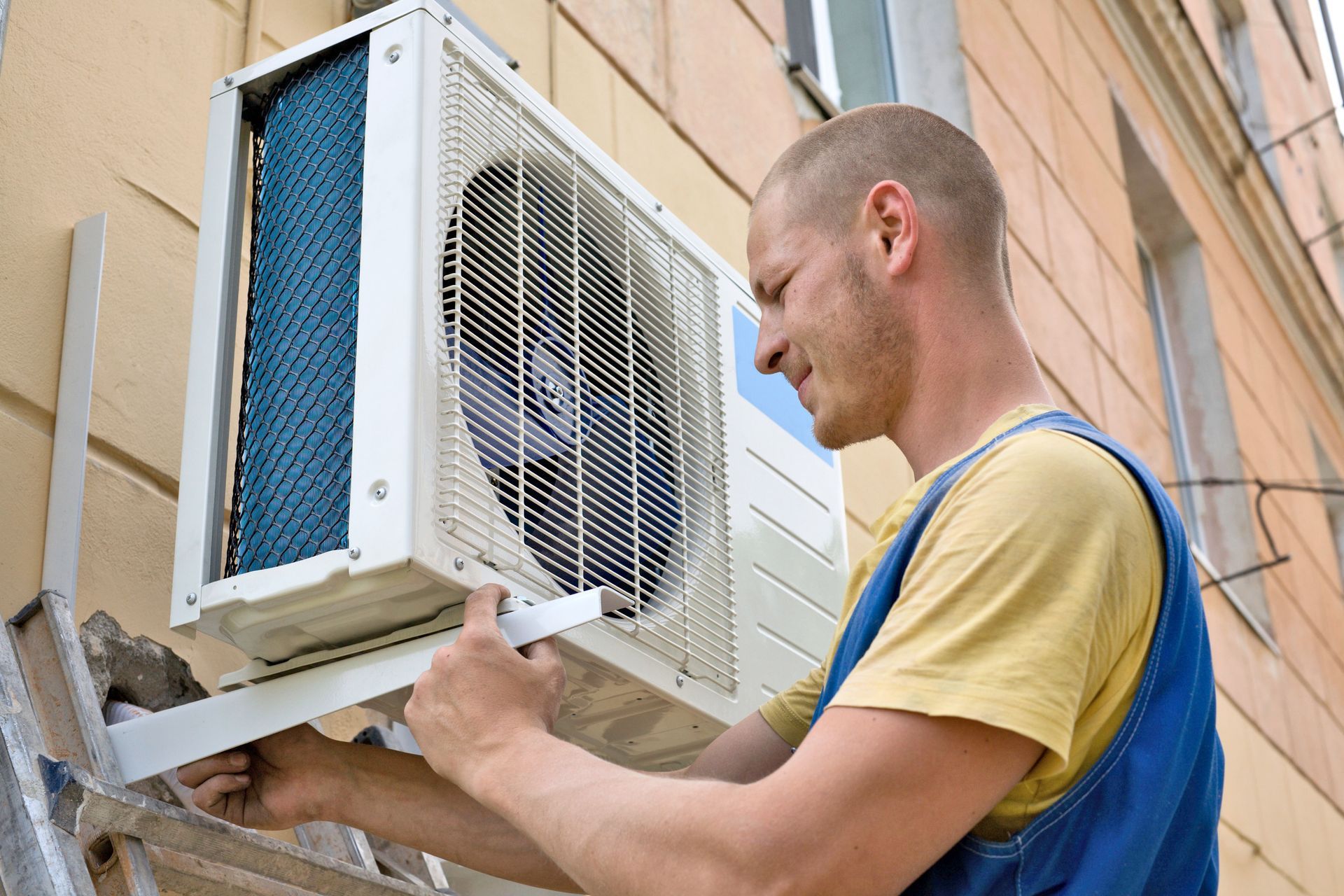
Proper preparation sets the stage for a successful installation. Accurate system sizing ensures comfort without wasted energy, while infrastructure evaluations confirm that ductwork and electrical components can support new equipment. Skipping these steps often leads to performance issues that could have been avoided.
Coordination becomes especially important when projects involve plumbing, HVAC, and refrigeration services together. Scheduling, communication, and sequencing all affect timelines and results. HVAC companies that manage coordination well will reduce delays and minimize disruption to daily routines.
Post-installation support is just as important as the installation itself because HVAC systems often require fine-tuning once they begin operating under real-world conditions. Minor adjustments are common as airflow balances, thermostat settings are optimized, and the system adapts to the daily demands of the home or business. Responsive follow-up ensures performance meets expectations while also addressing small issues before they affect comfort or efficiency. Reliable troubleshooting builds confidence by showing customers they are supported beyond installation day, reinforcing long-term satisfaction and trust in the service provider.
Choosing Confidence Over Guesswork
Understanding how systems operate, how agreements work, and what long-term care looks like empowers homeowners to make better decisions. When customers engage proactively with
HVAC companies
, the result is fewer surprises, better comfort, and stronger service relationships. Knowledge transforms a stressful process into a manageable one.
At Mountain City Service, we believe informed customers get better results. If you need dependable plumbing, HVAC, or refrigeration support in Chattanooga and the surrounding areas, our team is ready to help. With emergency service available and a focus on doing things the right way, Mountain City Service is here when comfort and reliability matter most.